The Truth About Smart Home Lighting Nobody Tells You
Most articles on smart home lighting focus on installation or basic features. But what about the subtle design mistakes that quietly degrade your home's aesthetic? We're diving past the specs to uncover the true potential and common pitfalls.
A few years ago, I walked into a friend's new apartment, excited to see their much-hyped smart home setup. They'd invested heavily in smart home lighting, proclaiming it the ultimate upgrade. What I found was a confusing wash of aggressively bright, shifting RGB colors that made the space feel more like a tech demo than a comfortable home. It hit me then: simply having smart lighting doesn't guarantee a beautiful, functional, or even pleasant environment. The promise of sophisticated ambiance often devolves into an aesthetic trap, missed because most focus on lumens and connectivity, not light's interaction with space and emotion.
The real issue with many smart home lighting installations is a fundamental misunderstanding of light itself. We're sold on convenience and an endless spectrum of colors, but rarely on how to wield that power artfully. The problem isn't the technology; it's the lack of design principles applied to it. Many default to uniform, often harsh, overhead lighting or saturate a room with a single, uninspired hue. This approach neglects the nuances of color theory, the importance of contrast, and the subtle interplay of light and shadow that truly defines a space's mood and functionality. The result? A home that feels cold, chaotic, or simply uninviting, despite the significant investment in advanced illumination.
Beyond Brightness: The Psychology of Color & Texture in Smart Home Lighting
The true magic of smart home lighting isn't in its ability to change colors on command, but in its capacity to transform mood and perception through intentional design. This goes beyond simple color temperature adjustments. Consider the psychological impact: warm whites (2700K-3000K) evoke comfort and relaxation, ideal for winding down. Cooler whites (4000K-5000K) promote alertness and focus, perfect for a home office. But the spectrum extends further.
When we introduce color, the stakes rise. A deep amber glow can simulate a sunset, creating a tranquil evening atmosphere. A subtle blue wash can mimic twilight, calming the senses without being overtly "blue." It's not about making every wall purple; it's about crafting a specific emotional response. We've seen in our testing that strategic color use, particularly low-saturation tones, can significantly impact perceived room temperature and even personal productivity. For instance, what happens when you prioritize ambiance to improve desk lighting often reveals how nuanced lighting affects focus without harshness. The material texture of your walls, furniture, and decor plays a critical role here. A light aimed at a brick wall will render completely differently than one hitting a smooth, matte surface. Light interacts with reflectivity, absorption, and diffusion. Understanding these properties allows you to select not just a color, but the right color that enhances the existing textures of your space, instead of flattening them into a single, uniform surface.
The Overlooked Art of Light Layering: Ambient, Accent, Task
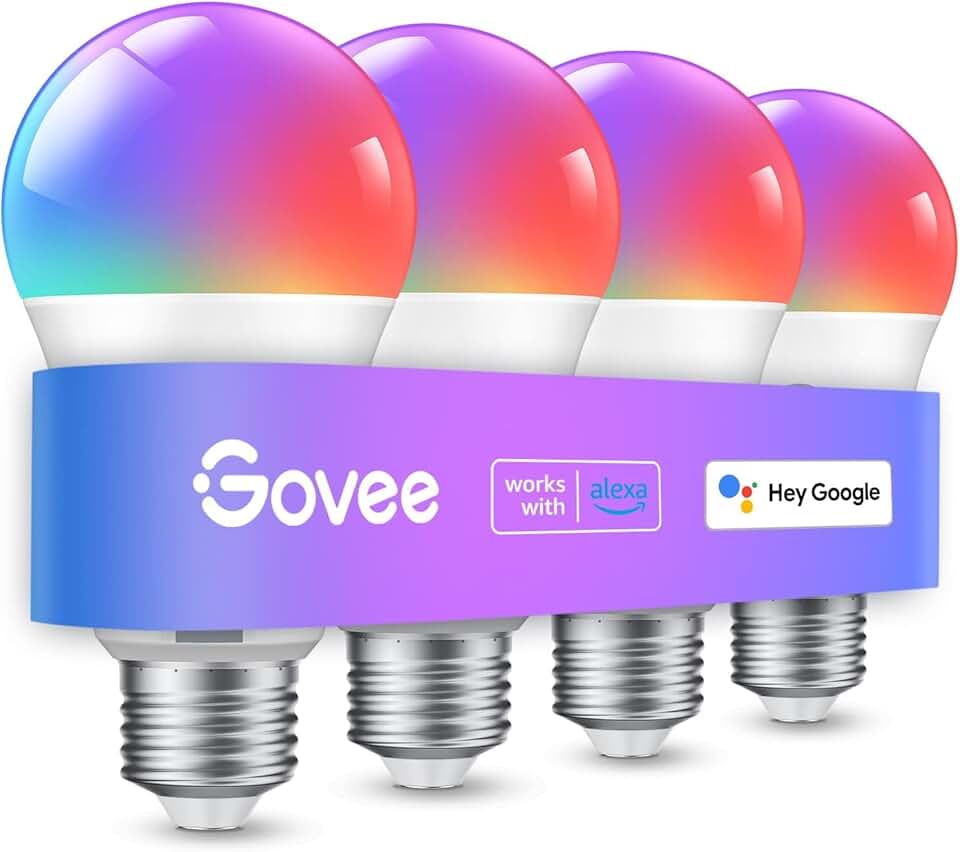
Aesthetic home lighting, mood setting, smart home integration
- 16 Million Colors RGBWW
- Works with Alexa and Google Assistant
- WiFi connectivity
The most common mistake in home lighting, smart or otherwise, is relying on a single overhead fixture to illuminate an entire room. This creates flat, shadowless spaces that feel sterile and uninvaged. The solution lies in light layering: combining ambient, accent, and task lighting to create depth and visual interest.
Ambient Lighting: This is your foundational light, providing overall illumination. With smart systems, this might be dimmable overhead recessed lights or diffuse ceiling fixtures. The key is even distribution and adjustable intensity, allowing you to set a comfortable base level.
Accent Lighting: This layer is where your smart lighting truly shines aesthetically. Use it to highlight architectural features, artwork, plants, or textured walls. Think LED strips behind shelving, narrow-beam spotlights, or floor lamps washing a wall. These elements add visual drama and emphasize the unique aspects of your space. The goal isn't to illuminate the object, but to illuminate around it, drawing attention and creating focal points. This is where subtle color can make a huge impact – a warm glow behind a plant, or a cool backlight to a textured stone wall.
Task Lighting: Focused illumination for specific activities like reading, cooking, or working. While often functional, smart task lights can integrate seamlessly. A smart desk lamp can adjust color temperature to support concentration, as explored in the truth about lighting for focus nobody tells you, or a smart under-cabinet light can brighten a countertop. The beauty is the ability to tie these distinct layers together, programmatically, to create cohesive scenes that adapt to your daily rhythms.
Smart Sensors & Subtle Automation: When Less Is More
Automation, when done thoughtfully, should be seamless and unobtrusive. The goal isn't to make you aware of every trigger, but to create an environment that intuitively responds to your presence and preferences. My own early error was painting every corner with vibrant, oversaturated RGB, thinking it conveyed 'modern.' The reality was a cluttered, almost garish feel that actively worked against the space's inherent calm. I learned that the true power of smart lighting, especially with products like the Govee Smart Light Bulbs, lies in subtlety – setting a mood with rich, muted tones and letting automation handle the transitions.
Consider occupancy sensors that gently fade lights on as you enter a room and off as you leave, eliminating the need to fumble for switches. Or circadian lighting routines that automatically shift color temperature throughout the day, mirroring natural daylight cycles to support your well-being. According to Signify's research on connected lighting, such systems can enhance productivity and well-being by optimizing light exposure. The integration of smart lighting with voice assistants or other smart home platforms like Apple HomeKit or Google Home allows for complex scenes that activate with a single command or a specific time of day. This level of control, when applied with an aesthetic eye, allows you to sculpt light to enhance material textures—think how a warm, low-angled light can bring out the grain of a wooden floor or the richness of a velvet couch.
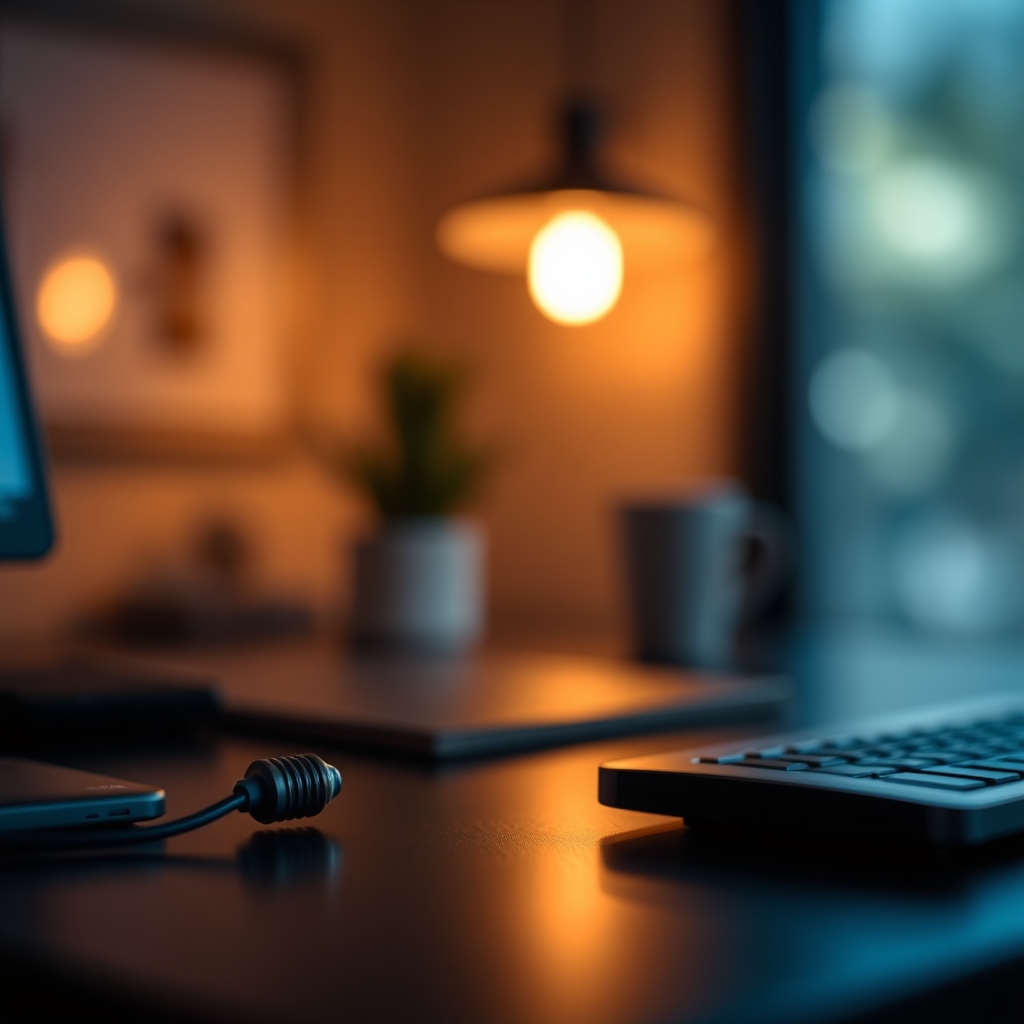
Why Your Smart Home Lighting Feels 'Off': Common Aesthetic Traps
The biggest mistake I see, and one I've made myself, is treating smart bulbs like novelty items rather than sophisticated design tools. The allure of 16 million colors often leads to a "throw everything at the wall and see what sticks" approach. This usually results in:
- The Rainbow Vomit Effect: Blasting every corner with a different, highly saturated color creates visual noise and overwhelms the senses. Your home isn't a discotheque (unless it is, then carry on).
- Flat, Shadowless Lighting: Relying solely on a few smart overhead bulbs, even if color-changing, still leaves your space feeling one-dimensional and uninviting. It eradicates the natural interplay of light and shadow, which is crucial for defining depth and form.
- Ignoring Material Interaction: Different finishes reflect or absorb light differently. A highly reflective gloss surface will interact with light differently than a matte, textured wall. Blasting a vivid color onto a highly reflective surface can be jarring, while the same color on a textured, absorbent surface might create a beautiful, diffused glow. This is precisely why we've explored the hidden aesthetic pitfalls in the science of iot lighting dangers: aesthetic traps.
- Over-Automation to Annoyance: While smart, setting lights to constantly change or react with too much intensity can be distracting. A subtle shift in color temperature as the day progresses is elegant; a disco rave every time you open the fridge is not.
Final Verdict
Smart home lighting, at its core, is a powerful tool for crafting immersive and beautiful living spaces. But its true potential is unlocked not by simply automating on/off functions or cycling through every RGB hue. It's found in the thoughtful application of design principles: understanding light layering, appreciating the psychology of color, and considering how light interacts with the textures and materials of your environment. Moving beyond generic product features and embracing a visual-first approach transforms your home from merely 'lit' to artfully illuminated. It's about creating an atmosphere that enhances your life, not just controlling light with an app. Invest in a system that offers granular control and a wide color temperature range, then take the time to sculpt your space with light, rather than just filling it with brightness. The difference will be palpable, quite literally, night and day.
Frequently Asked Questions
What makes smart home lighting aesthetic?
Aesthetic smart home lighting is achieved through thoughtful design, not just basic functionality. It involves understanding light layering (ambient, accent, task), applying color psychology to evoke specific moods, and considering how light interacts with material textures in your space. The goal is to create depth, visual interest, and a cohesive atmosphere, rather than just bright, uniform illumination.
How do I avoid common smart lighting mistakes?
Avoid the 'rainbow vomit' effect by using colors subtly and intentionally. Don't rely solely on overhead lighting; layer different types of light to create depth and eliminate flat, shadowless areas. Pay attention to how light reflects off or is absorbed by your room's materials. Finally, ensure automation is subtle and enhances, rather than disrupts, your home's ambiance.
What's the best way to layer smart lights?
Start with ambient lighting for overall illumination, using dimmable smart fixtures for flexibility. Next, add accent lighting to highlight architectural features, artwork, or textures; this is where smart color can be used most effectively. Finally, integrate task lighting for specific activities. The key is to program these layers into cohesive scenes that you can activate as needed, creating a dynamic and visually rich environment.
Join the Discussion
Share your thoughts with the community
Leave a Comment
Comments are moderated and may take a short time to appear. Links are not permitted.