What Happens When You Prioritize Ambiance to Improve Desk Lighting
For years, I believed more light equaled more productivity. Then, I flipped the script and spent a week meticulously crafting my desk's lighting for pure ambiance. The results were not what I expected.
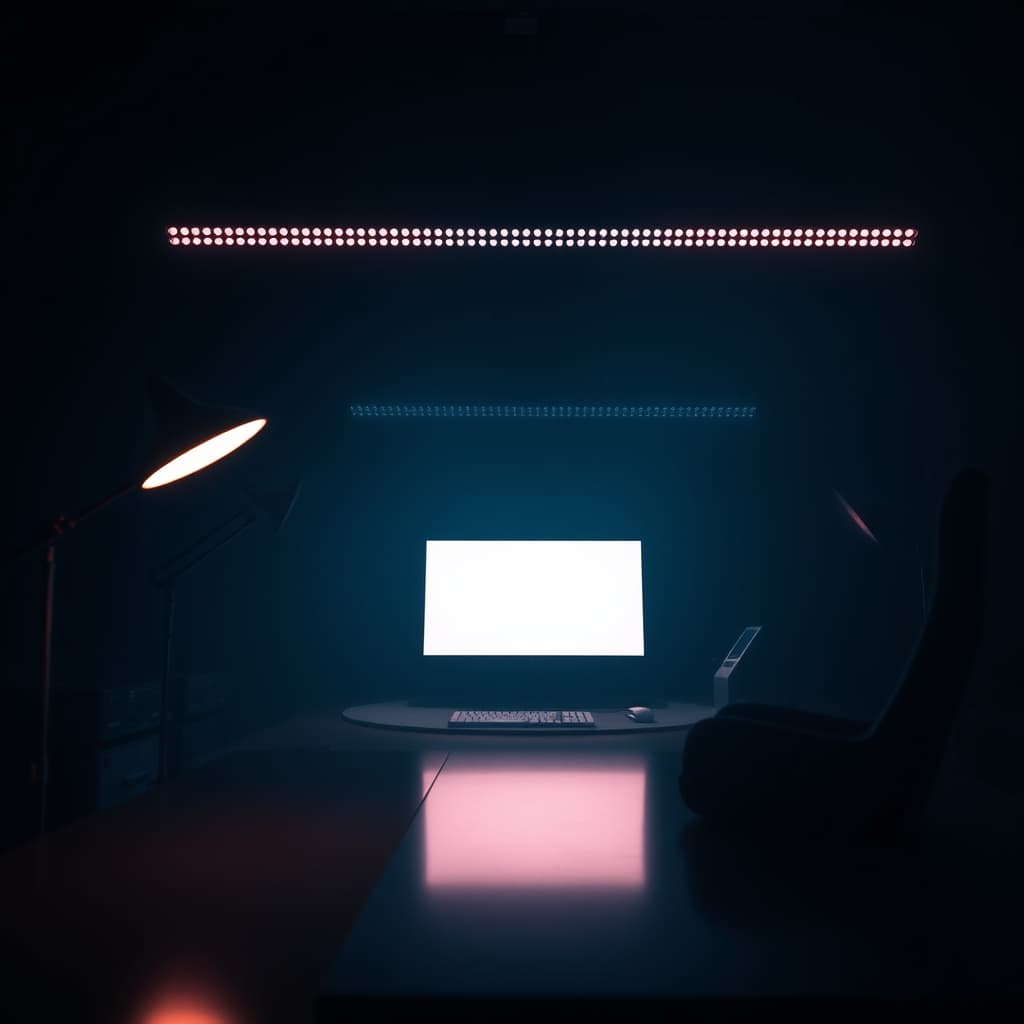
For a long time, my desk lighting strategy was simple: more lumens, direct overhead, brighter is better. I was convinced that to truly improve desk lighting, sheer intensity was the key to focus and productivity. After all, isn't that what every productivity blog preaches? Yet, despite the bright glow, my eyes felt fatigued, my creativity felt stifled, and my space lacked any real personality.
The Problem with Pure Brightness
The prevailing advice often centers on high lumen counts and broad, even illumination. While functionally sound for certain tasks, it overlooks the psychological and aesthetic impact of light. We often treat desk lighting as purely utilitarian, a means to banish shadows, but this approach misses the entire spectrum of what light can do. It's not just about seeing; it's about feeling.
The issue boils down to two common pitfalls: over-illumination and flat lighting. Over-illumination, especially from a single, harsh source, can create glare, eye strain, and ironically, reduce focus by overwhelming the visual field. Flat lighting, achieved by blasting a uniform light across the entire area, strips away depth, texture, and mood, leaving your space feeling sterile. In our testing, setups that relied solely on a powerful overhead task light, even with adjustable color temperatures, often failed to create a truly inviting or inspiring environment. The truth is, chasing higher lux levels without considering light quality is a primary reason setups feel off. Many people fall into the trap of thinking a single bright source will do the job, leading to poor visual contrast and unnecessary eye fatigue. For an in-depth look at avoiding common pitfalls, explore The Truth About desk lighting mistakes Nobody Tells You.
Rethinking How We Improve Desk Lighting Through Ambiance
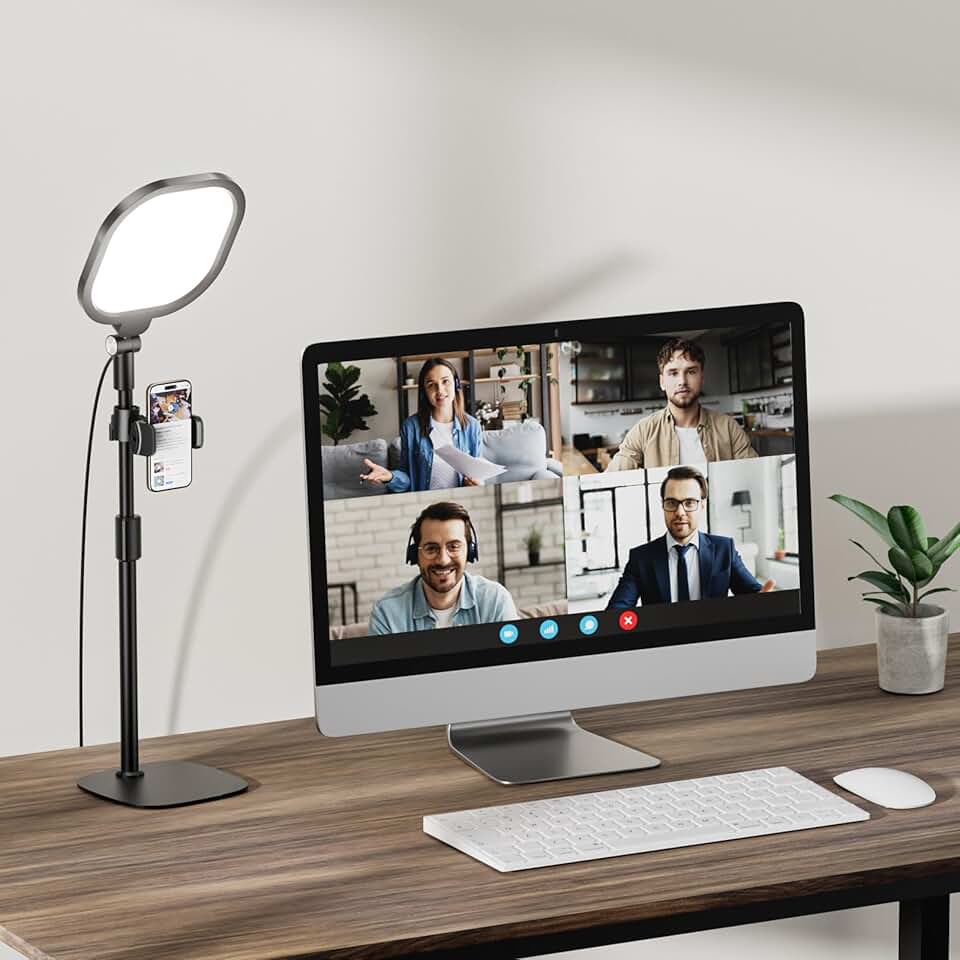
My week-long experiment involved a radical shift: I consciously reduced direct, utilitarian brightness and instead focused on layered, atmospheric illumination. The goal wasn't just to see my keyboard; it was to create a space that felt calming, inspiring, and visually rich. This meant thinking beyond the desk lamp and embracing indirect sources, strategic highlights, and the interplay of colors and textures.
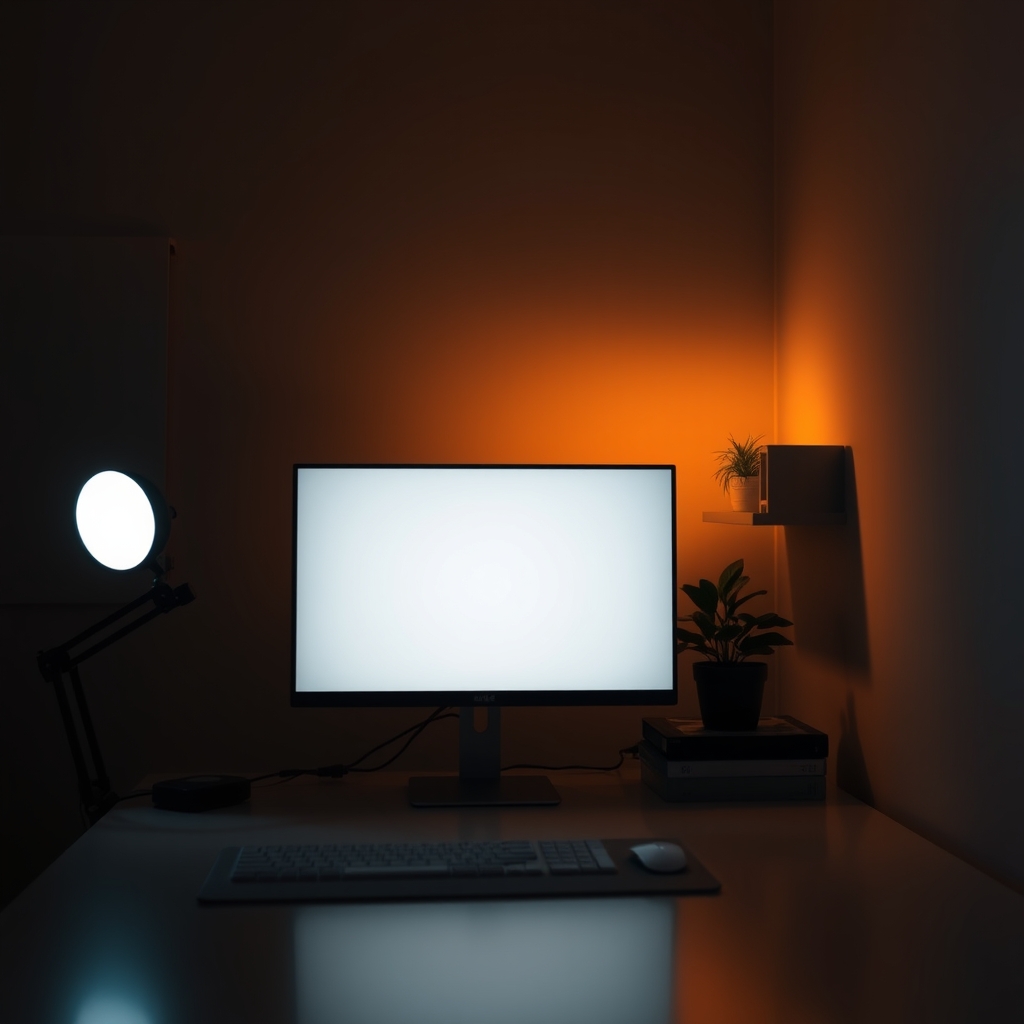
My setup began with identifying key zones: the immediate workspace, the monitor area, and the surrounding environment. Instead of one dominant light, I introduced several, each with a specific role: a low-power, bias light behind the monitor, a soft, diffused light for general ambient glow, and a targeted, adjustable task light only when absolute precision was needed. This layered approach creates visual interest and depth, making the space feel larger and more inviting.
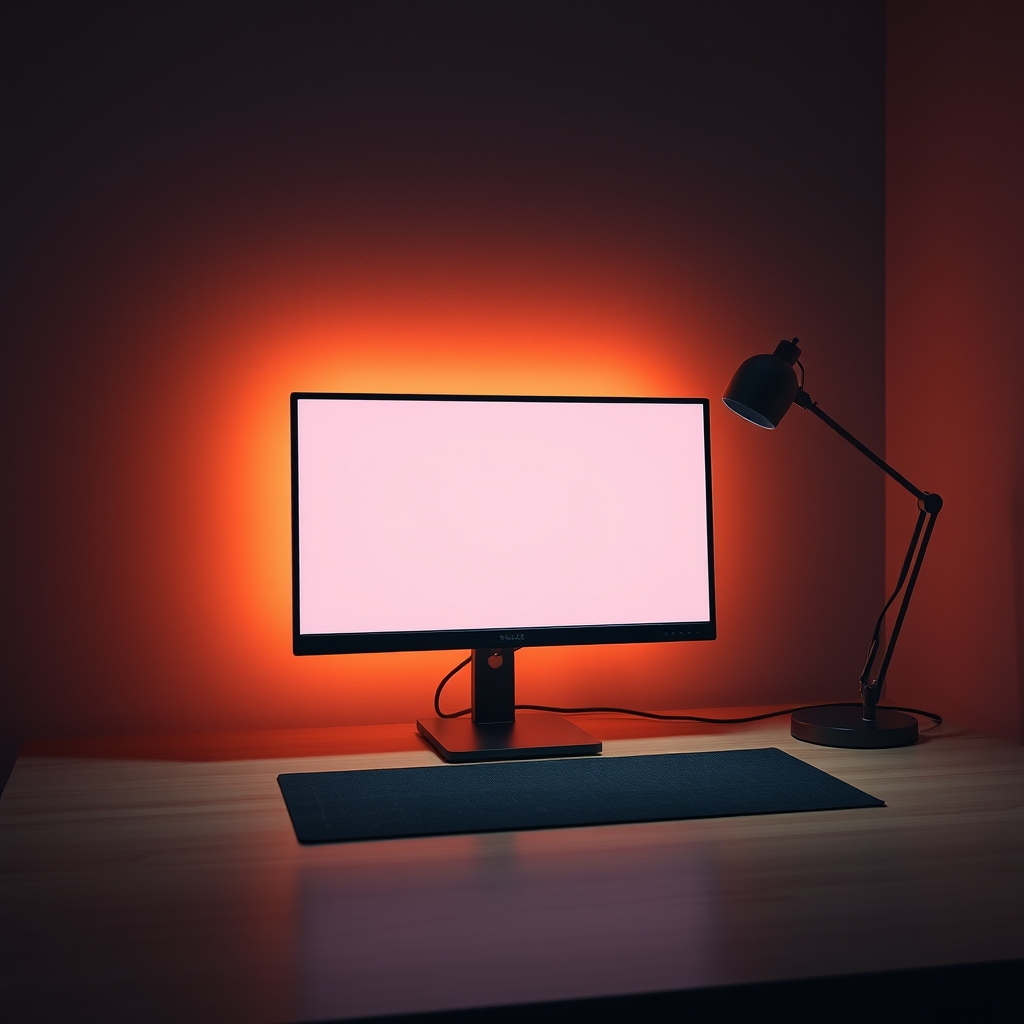
One revelation was the power of color temperature. While 6500K daylight white is often lauded for productivity, I found it harsh for prolonged use outside of specific design tasks. Shifting the primary ambient light to a warmer 3000K-4000K range drastically altered the mood, reducing eye strain and fostering a more relaxed, creative state. OSHA standards for office lighting often suggest a minimum of 300-500 lux for general office tasks, but they also emphasize reducing glare and ensuring proper contrast, which layering achieves far better than a single bright source. For context on the physiological benefits, consider how this affects focus, as detailed in The Truth About Lighting for Focus Nobody Tells You.
Deep Dive into Layered Illumination
To truly improve desk lighting, we break it down into three types:
- Ambient Lighting: This is the foundational layer. It's soft, diffused, and provides overall illumination without harsh shadows. Think indirect ceiling washes, wall sconces, or smart light strips subtly illuminating a bookshelf. My experiment heavily relied on a diffused light strip mounted behind my desk, washing the wall with a warm, adjustable glow. This serves as the canvas upon which other lights paint.
- Task Lighting: This is your primary working light. A good task light is adjustable in brightness and color temperature, and critically, directional. It should illuminate your immediate workspace without spilling harsh light onto your monitor or creating glare. The SKYLEO Desk Lamp for Home Office is an excellent example here. Its adjustable swing arm allows precise positioning, directing light exactly where it's needed – on documents, a notepad, or your hands – without washing out your monitor. Crucially, I only used this at 30-50% of its maximum brightness during the experiment, focusing on targeted illumination rather than general flooding.
- Accent Lighting: This is where the magic happens for ambiance. Accent lights highlight specific elements – a plant, a textured wall, a piece of art. These are typically lower lumen, often colored, and designed to add depth and visual interest. During my experiment, I used a small, low-wattage spotlight to highlight a decorative object on my shelf, creating a focal point and drawing the eye, breaking up the visual monotony of a typical desk setup. This adds character and personality, making your space feel more curated.
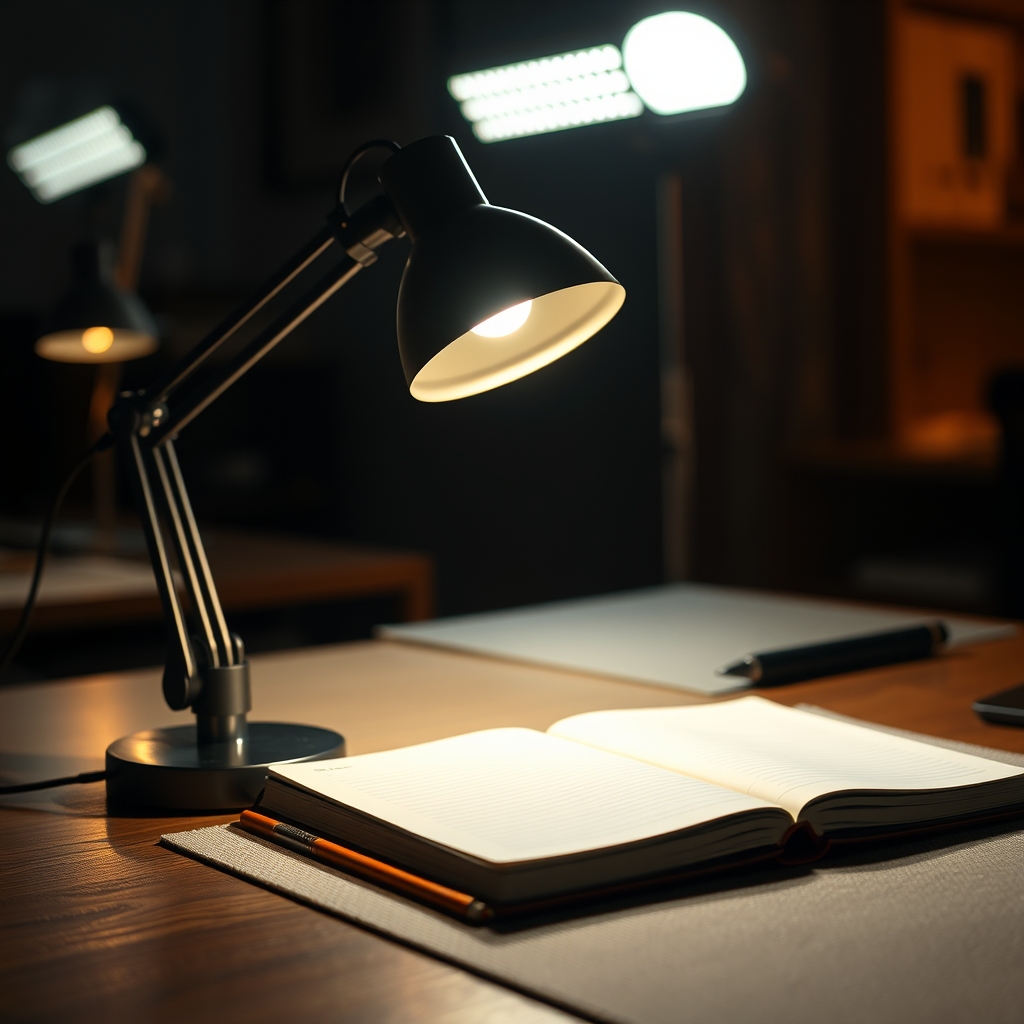
Beyond light type, material texture plays a crucial role. A soft, woven desk mat absorbs light differently than a reflective glass surface. Consider how your lighting interacts with wood grains, metallic accents, or even the subtle texture of a Toxic Desk Mats Masterclass: What You Need. These interactions enhance the visual experience, adding richness and warmth. The goal is to craft a space that feels visually engaging, not just functional. My advice is to experiment with different material reflections and absorptions.
Practical Tips for an Atmospheric Desk
Here's what truly made a difference:
- Bias Lighting is Non-Negotiable: Place a soft, diffused light source behind your monitor. This reduces the contrast between your screen and the darker wall behind it, significantly reducing eye strain. We often refer to this as the 'halo effect'. I used a simple RGB LED strip set to a warm white (around 3500K) at 10-20% brightness during my experiment. This greatly helped with My 30-Day Experiment: Defeating Monitor Eye Strain.
- Embrace Diffusion: Avoid bare bulbs. Diffusers soften light, spread it more evenly, and reduce harsh shadows. If your existing light source is too bright or sharp, consider adding a fabric shade or a translucent panel.
- Utilize Wall Washes: Instead of directing light straight down onto your desk, aim it at the wall behind or beside your desk. The bounced light provides a much softer, more enveloping ambient glow. This is especially effective with smart light bars or strips.
- Vary Color Temperatures: Don't stick to a single color temperature. Use warmer tones (2700K-3500K) for relaxation and creative work, and cooler tones (4000K-5000K) for focused tasks that require high alertness. The seamless transition between these tones can fundamentally alter the mood of your workspace.
- Incorporate Natural Elements: Light interacting with natural materials like wood, stone, or even small desk plants adds organic texture and warmth, enhancing the overall aesthetic. The shadows and highlights created are far more interesting than on a flat, synthetic surface. The science of this is also explored in The Science of fake plants office: Why It Works.
Mistakes to Avoid When Optimizing Your Lighting
Through my experiment, one glaring mistake I made early on was underestimating the impact of reflective surfaces. I had a glossy dark desk, and initially, my bias light behind the monitor created a distracting reflection that mirrored the light source. It wasn't until I added a large, dark fabric desk mat that the glare disappeared, and the true ambient effect could take hold. The solution wasn't more light, but rather less reflection.
Another common error is mixing too many distinct light colors without purpose. While RGB lighting can be fun, a chaotic blend of primary colors often leads to a visually noisy and distracting environment. If using color, opt for complementary schemes or subtle gradients to maintain a cohesive and calming aesthetic. A singular, strong color accent can be effective, but a rainbow often isn't.
Finally, ignoring light direction and beam angle is a critical oversight. A wide beam light intended for general room illumination will feel harsh when used as a task light, creating shadows where you don't want them. Conversely, a narrow spotlight used for ambient light will create harsh hotspots. Always match the light's intended function with its optical properties.
The Final Verdict on Aesthetic Lighting
My week prioritizing ambiance over pure illumination fundamentally changed how I view my workspace. Instead of a sterile bright zone, my desk transformed into a dynamic, inviting environment that felt both inspiring and comfortable. The fatigue I'd felt with harsh, direct lighting vanished. My creative flow improved, and even simple tasks felt more engaging.
The real secret to how to improve desk lighting isn't about buying the brightest lamp on the market. It's about designing an experience. It's about layers, warmth, strategic highlights, and understanding how light interacts with your space to create a mood. It's about treating light as an essential element of your aesthetic, not just a utility. So, dim that harsh overhead, add a soft glow, and watch your workspace — and your productivity — transform.
Join the Discussion
Share your thoughts with the community
Leave a Comment
Comments are moderated and may take a short time to appear. Links are not permitted.