The Truth About Lighting for Focus Nobody Tells You
For years, I believed bright, direct light was the only way to achieve peak focus. The reality? It was silently draining my energy and creativity. This experiment changed everything.
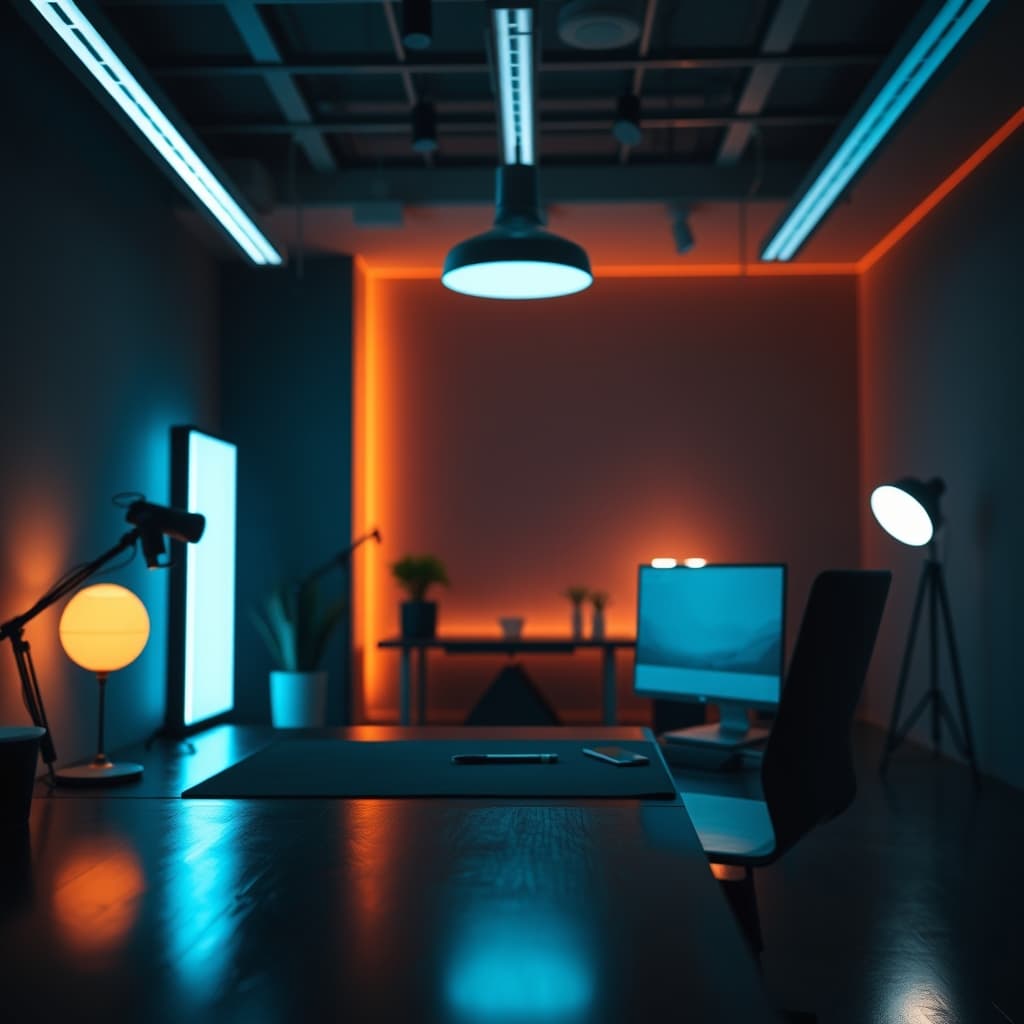
For years, I was told that bright, direct, often harsh illumination was the secret to peak performance. My workspace was a stark, almost surgical environment, ostensibly designed for "focus." The reality was a persistent low hum of visual fatigue, a subtle drain on my creative reserves I couldn't quite place. I thought I was doing everything right for my lighting for focus, but it turns out I was missing the most crucial element of all...
The common narrative around focus lighting is often reductive: more lumens, higher CCT, minimal distraction. This rigid approach overlooks the intricate relationship between our visual environment, psychological state, and sustained cognitive effort. We're told to blast our desks with stark white light, believing it jolts our brains into high gear. But here is what most people miss: this can induce a subtle, continuous stress response, eroding the very sustained attention it aims to cultivate. It's like trying to run a marathon on pure adrenaline – unsustainable and ultimately detrimental.
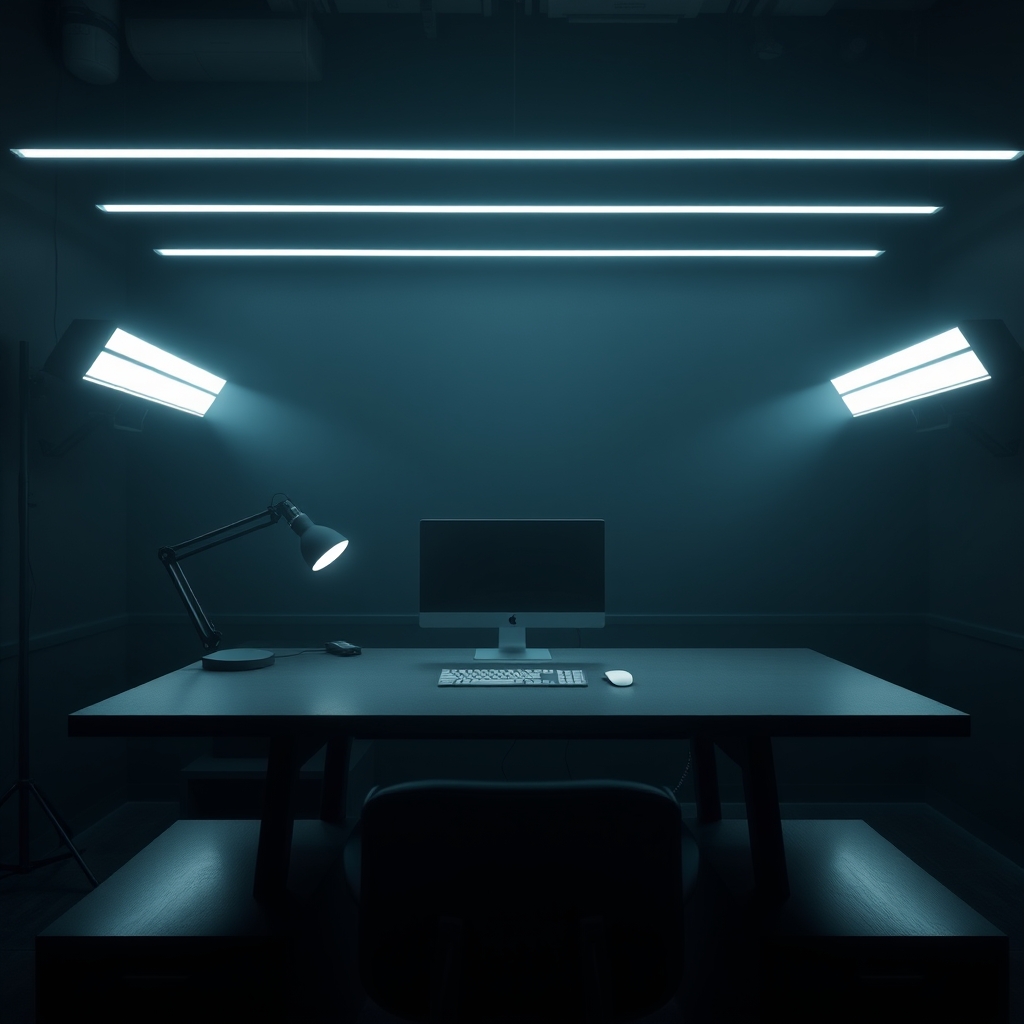
What if true lighting for focus isn't about clinical brightness, but about curated ambiance? In our testing, we discovered that shifting from a single, overpowering light source to a multi-layered system—one that leverages diffused ambient glows, strategic accents, and even a touch of dynamic color—can profoundly alter cognitive performance and reduce fatigue. It's about designing an atmospheric bubble that cradles attention, rather than aggressively demanding it. This isn't just about aesthetics; it's about crafting a psychologically supportive visual ecosystem.
Beyond the Lumens: Why Warmth and Texture Trump Raw Brightness for Focus
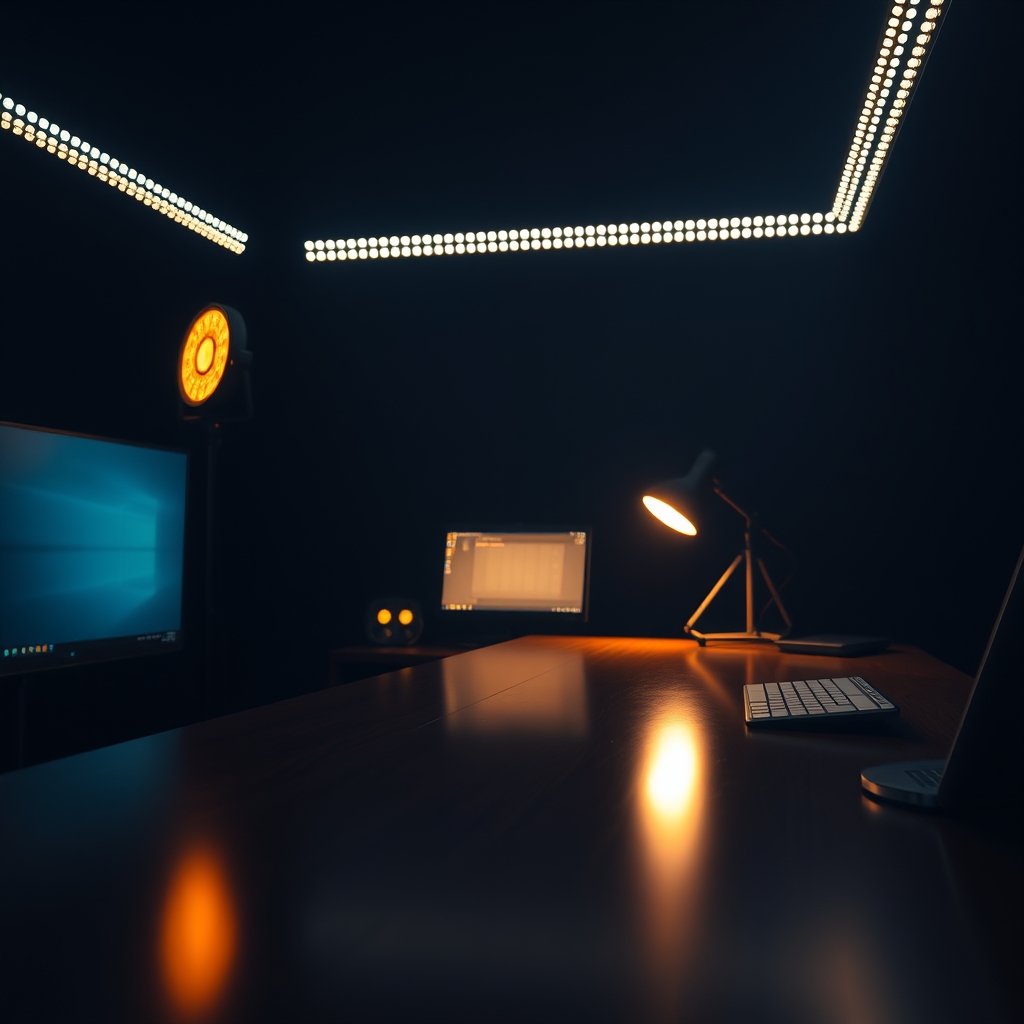
The conventional wisdom asserts that higher color temperatures (e.g., 5000K-6500K) promote alertness. While biologically true for initial wakefulness, sustained exposure can be fatiguing. The reality is, for deep, sustained focus, a balanced spectrum with a subtle lean towards warmer tones (3000K-4000K) can be far more effective, especially when paired with light diffusion. Think about the feeling of a sun-drenched cafe or a subtly lit library – these aren't harshly bright spaces, yet they inspire contemplation. The texture of light matters too: smooth, even diffusion from sources like LED strips behind monitors or indirect uplights avoids harsh shadows and distracting reflections. This principle is often overlooked, with many setups relying on direct overheads that create unwanted glare.
The Psychology of Color: Subtle Hues for Sustained Attention
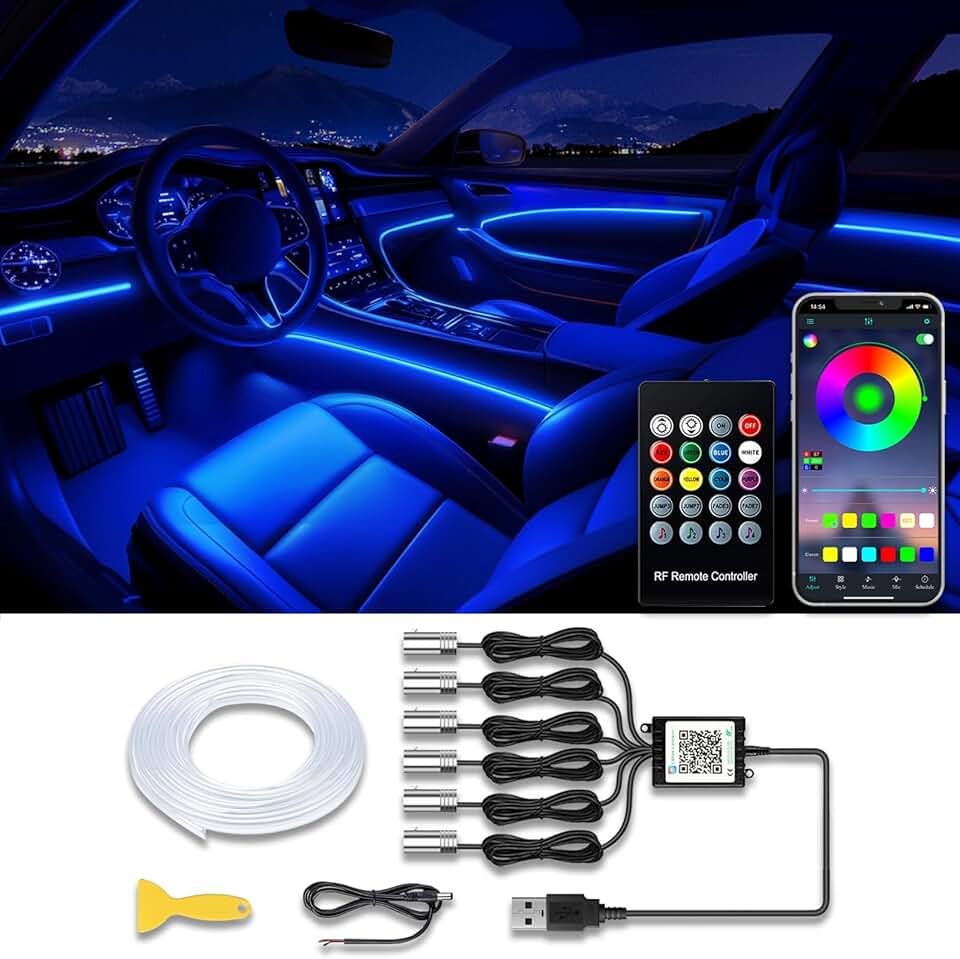
🔥 Car LED Strip Lights, USB Interior Ambient Lighting Kits with Wireless APP and RF Remote Control, 16 Million Colors Musi
Premium Pick
- High performance
- Premium build
- Top rated
This is where the 'vibe' truly kicks in. Beyond white light, specific color temperatures and hues can subtly influence mood and cognitive states. A gentle, desaturated blue or green, for instance, has been shown to evoke calmness and clarity, supporting prolonged concentration without the stimulation of stark whites or reds. We're not talking about rave lighting here, but a foundational ambient wash that establishes a serene backdrop. A study by the University of Texas at Austin indicated that a slightly blue-toned environment can enhance creative thinking and problem-solving, suggesting that strategic color choice isn't just decorative – it's functional. Integrating a subtle, low-intensity ambient light that can shift color allows for dynamic adjustments based on task and time of day, offering a psychological advantage. This aligns with how bias lighting affects cognitive processing, subtly enhancing perception without overwhelming it, a crucial aspect often missed in discussions about the truth about bias lighting. Creating a deep work environment beyond just sound requires a holistic approach, much like how noise-cancelling headphones can sabotage concentration reveals that even tools designed for focus can sometimes have unintended consequences if not understood in context.
Material Textures and Reflectivity: The Unsung Heroes of Ambient Focus
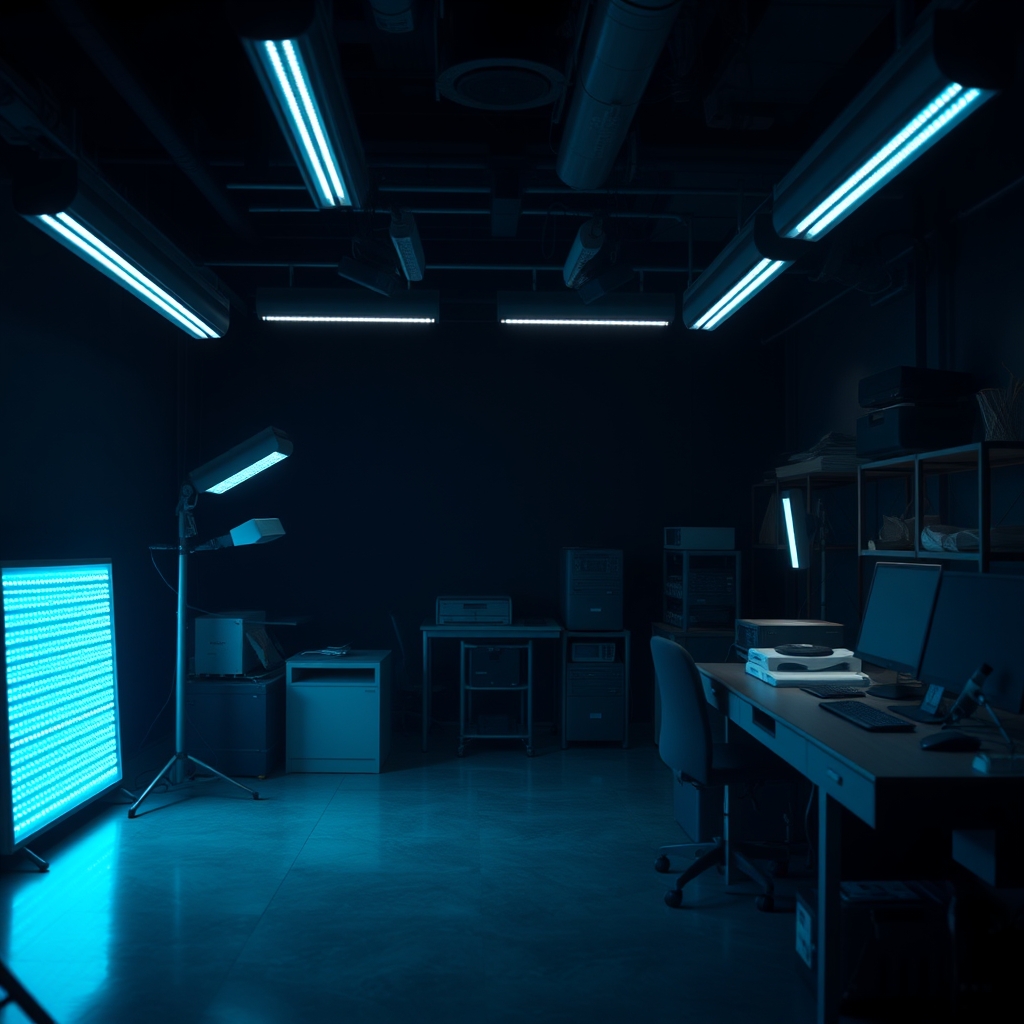
Often, we focus only on the light source itself, neglecting how light interacts with our environment. Matte finishes, natural wood grains, and woven fabrics absorb and diffuse light beautifully, preventing harsh reflections and creating a visually 'soft' space. In contrast, glossy desks, glass panels, and highly reflective surfaces can create hotspots and glare, contributing significantly to eye strain and distracting visual noise. Consider light not just as illumination, but as a sculptor of your environment. How it bounces, absorbs, or diffuses across different textures shapes the entire atmospheric quality of your workspace, directly impacting comfort and, by extension, your ability to focus.
Practical Tips for Crafting Your Focus Lighting
- Layering is Key: Start with a soft, general ambient light (e.g., LED strips, indirect lamps). Add a directional task light only when absolutely necessary, and ensure it's dimmable and adjustable.
- Embrace Diffusion: Use frosted bulbs, fabric lampshades, or diffusers to soften light output.
- Strategic Color: Experiment with low-intensity, desaturated blues, greens, or warm whites (3000K-4000K) for your ambient layer. Many premium LED strips offer granular control over both CCT and RGB values.
- Mind Your Surfaces: Opt for matte desk surfaces and monitor bezels. Position your monitors to minimize reflections from windows or light sources.
Mistakes to Avoid for Better Focus
My biggest mistake, one I see countless others make, was relying on a single, powerful desk lamp positioned directly over my workspace. It created a glaring hotspot on my monitor, harsh shadows under my hands, and left the rest of the room in relative darkness. This extreme contrast meant my eyes were constantly trying to adapt, leading to intense fatigue within hours. It's a common trap: believing a single powerful light equates to better focus. The reality is, it often leads to visual overload and reduces depth perception, ironically making it harder to concentrate on intricate tasks. Another common error is neglecting the vertical surfaces – walls, shelves – that can become canvases for indirect ambient light, turning them from stark boundaries into soft, reflective elements that expand the perceived space and reduce claustrophobia. For those looking to master their workspace beyond just lighting, understanding the subtleties of acoustic panel design vs. audio quality can further elevate their environment.
Final Verdict
True lighting for focus isn't about overpowering your senses; it's about artfully crafting an environment that supports sustained attention through subtle cues. By shifting from a lumens-first mindset to one that values ambiance, color psychology, and material textures, you don't just illuminate a space – you architect a mood, fostering a calmer, more productive state of mind. It’s an investment in your long-term cognitive well-being, far beyond what any single bright bulb can offer. Think of it as painting with light, creating a masterpiece of concentration.
Frequently Asked Questions
Can RGB lighting actually help with focus, or is it just for aesthetics?
Yes, when used judiciously. Subtle, desaturated hues like soft blues or greens, at low intensity, can foster calm and enhance cognitive clarity. It’s about creating a gentle, consistent backdrop, not a distracting light show. Dynamic color changes, however, can be disruptive.
What's the ideal CCT range for sustained focus?
While initial alertness might benefit from higher CCT (e.g., 5000K), for sustained deep work, a range of 3000K-4000K is often more comfortable and less fatiguing. This provides a natural, balanced light that supports concentration without overstimulation.
Should I completely avoid overhead lighting?
Not necessarily avoid, but re-evaluate. Harsh, direct overheads should be diffused or supplemented with indirect sources. Think of overheads as your general ambient layer, not your primary task light. Layering is key: use them to fill the room with soft light, then add focused, dimmable task lighting only where needed.
Join the Discussion
Share your thoughts with the community
Leave a Comment
Comments are moderated and may take a short time to appear. Links are not permitted.