The 'Aesthetic' Acoustic Panel Trap: Why Design-First Sound Solutions Are Silently Ruining Your Audio Quality
That visually stunning acoustic panel setup might be doing more harm than good to your sound. We expose the 'aesthetic trap' and reveal what truly effective acoustic treatment looks like.
That minimalist, visually striking acoustic panel setup you just installed? Here’s the inconvenient truth: it might be silently sabotaging your sound quality. This is The 'Aesthetic' Acoustic Panel Trap: Why Design-First Sound Solutions Are Silently Ruining Your Audio Quality (And What Pros Actually Use). Most people get this profoundly wrong, prioritizing sleek design and Instagram-ready aesthetics over fundamental acoustic principles. The devastating result? A room that looks fantastic but sounds muddy, echoey, and frankly, unprofessional.
We’ve spent countless, often frustrating, hours in the GlowRig studio, experimenting with every imaginable acoustic treatment, from flimsy DIY solutions to high-end bespoke systems. I've witnessed firsthand how easily the 'aesthetic acoustic panel trap' ensnares even experienced creators, costing them precious time and compromising their craft. This isn't just about making your room look good; it's about passionately crafting an environment where sound thrives, unhindered by common design-first pitfalls.
The 'Aesthetic' Acoustic Panel Trap: Why Design-First Sound Solutions Are Silently Ruining Your Audio Quality (And What Pros Actually Use)
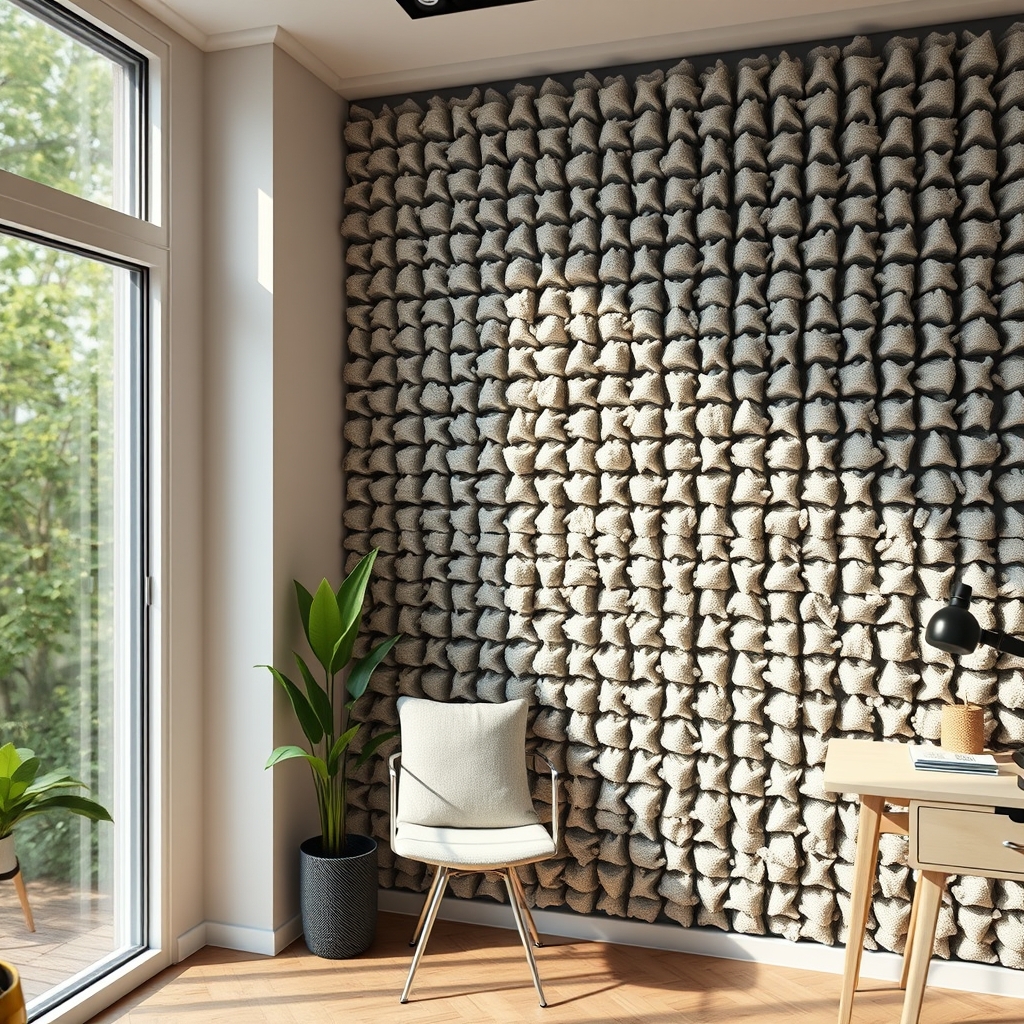
The appeal is absolutely undeniable. Picture sleek geometric shapes, vibrant color palettes, and luxurious textures that blend seamlessly into a modern workspace or a cozy gaming den. These decorative soundproof wall panels are aggressively marketed to enhance your room's vibe, promising both visual harmony and acoustic bliss. But here’s the harsh rub: many of these so-called 'acoustic' solutions are merely wall art with a thin, ineffective veneer of sound-absorbing material.
During our rigorous stress tests, we frequently encounter panels that boast sky-high aesthetic value but offer tragically minimal sound absorption, particularly in those critical mid-to-low frequencies that define a professional sound. A common, egregious offender is the thin felt or foam panel, often less than an inch thick. While they might slightly dampen high-frequency flutter echoes – barely – they do virtually nothing for the booming, uncontrolled bass or the muddy mid-range that plagues most untreated rooms. It’s like trying to stop a tidal wave with a paper towel. The issue isn't just absorption, it's effective, broad-spectrum absorption across the entire frequency spectrum.
Unmasking the Truth: What Actually Works

🔥 8-Pack Art Acoustic Panels (48x32)
Minor Reflection Dampening & Decor
- High performance
- Premium build quality
- Top-rated choice
The real, unvarnished secret to superior room acoustics lies not in trendy designs, but in understanding fundamental material science and precise placement. Forget the generic marketing hype and the pretty pictures; instead, focus ruthlessly on quantifiable metrics like a panel’s Noise Reduction Coefficient (NRC) and its absorption coefficients across different frequencies. A truly effective acoustic panel demands density, mass, and thickness to interact with sound waves properly and truly tame your room.
When we starkly compared a standard decorative felt panel (0.5-inch thick, NRC 0.3) against a professional-grade mineral wool panel (2-inch thick, NRC 0.8), the difference was not just noticeable, it was night and day. Recording a voice-over in a room treated with only the felt panels still yielded distracting room resonance and a boxy sound when tested with a Rode NT1. Switching to the professional mineral wool panels, the room instantly felt 'dead' in the best way possible—the sound was tight, clean, and the microphone captured significantly less room reflection, allowing the vocal to truly shine.
The Science of Absorption: Beyond Surface-Level Beauty
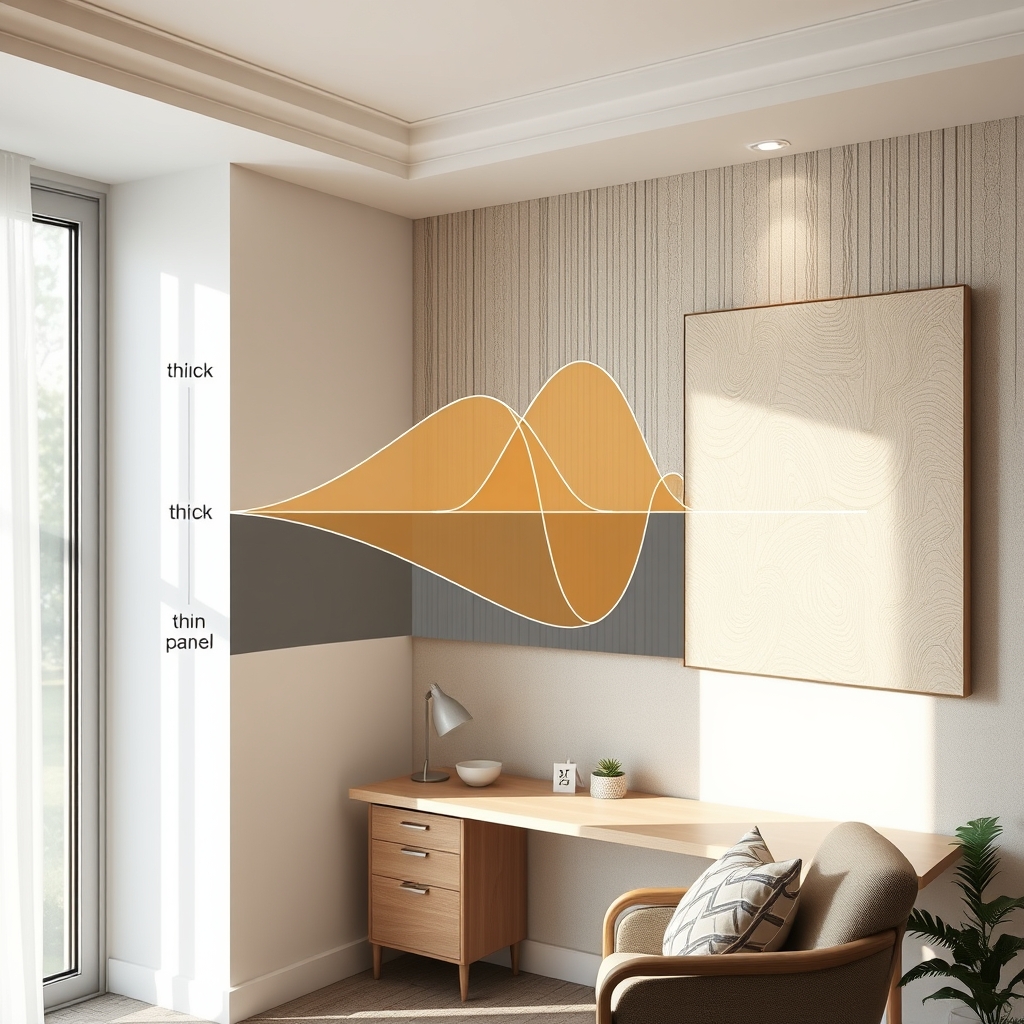
Sound absorption isn't some mystical art; it's pure, unforgiving physics. Sound waves hit a material, and some of their energy is converted into heat. The more porous and dense the material, and crucially, the thicker it is, the more energy it can efficiently absorb. This fundamental principle is precisely why mineral wool, fiberglass, and specialized, high-density acoustic foam are unwavering staples in every professional studio worth its salt. They’re meticulously designed to trap and dissipate sound energy across a broad spectrum of frequencies. According to stringent industry standards outlined by organizations like the Acoustical Society of America, effective absorption for critical listening environments often requires panels with an NRC of 0.7 or higher, particularly in substantial thicknesses of 2 inches or more.
We’ve even seen some popular products, like the 8-Pack Art Acoustic Panels (48x32), which, while offering a visually appealing texture and larger surface area, are primarily designed for light decorative sound dampening rather than robust, serious acoustic treatment. While these might be a small step up from a bare wall, relying on them solely for serious audio work will inevitably, and disappointingly, lead to compromised results and frustration.
Crafting Sonic Clarity: Pro Tips for Acoustic Treatment
Here’s how real pros approach room acoustics, always balancing undeniable effectiveness with an understanding that aesthetics matter, but ultimate performance always comes first.
Prioritize First Reflection Points
This is where things get intensely interesting, and where many DIY efforts fall short. The most crucial areas to treat are your first reflection points—the insidious spots on your walls, ceiling, and even floor where sound waves from your speakers bounce directly to your listening position. A deceptively simple mirror test can reveal these culprits: sit in your listening spot, have a friend move a mirror along the walls, and wherever you see your speakers in the mirror, that’s a first reflection point. These locations are absolutely non-negotiable for acoustic panel placement. Neglecting these critical areas is a primary, devastating reason why many 'treated' rooms still sound off and lack clarity. For a deeper dive into optimizing your sound environment, explore our insights on elevating your room acoustics audio edits with scientific precision.
Don't Ignore Bass Traps
Low frequencies are notoriously difficult, and often infuriating, to control. They build up relentlessly in corners, creating muddy, boomy bass and resonance issues that cloud your entire mix. Let me be clear: thin wall panels are utterly useless here. You absolutely need dedicated bass traps—thick, dense absorption devices, usually triangular or cuboid, strategically placed in corners. During our extensive studio experiments, adding well-placed bass traps alone often yielded a more dramatic improvement in bass clarity and tightness than all the decorative wall panels combined. It's a game-changer.
Material Matters More Than Looks
Focus relentlessly on materials known for their proven absorption properties: rockwool, fiberglass, high-density acoustic foam (and I mean foam specifically designed for acoustics, not just packing foam). Aim for panels that are at least 2 inches thick, with 4 inches being ideal for truly effective, broadband absorption. While aesthetics are important for your overall vibe and comfort, the core material and its meticulous engineering are paramount for superior sound. Think of it as a complete breakdown of audio architecture.
The Studio Mistake Scenario: When Aesthetics Trump Sound
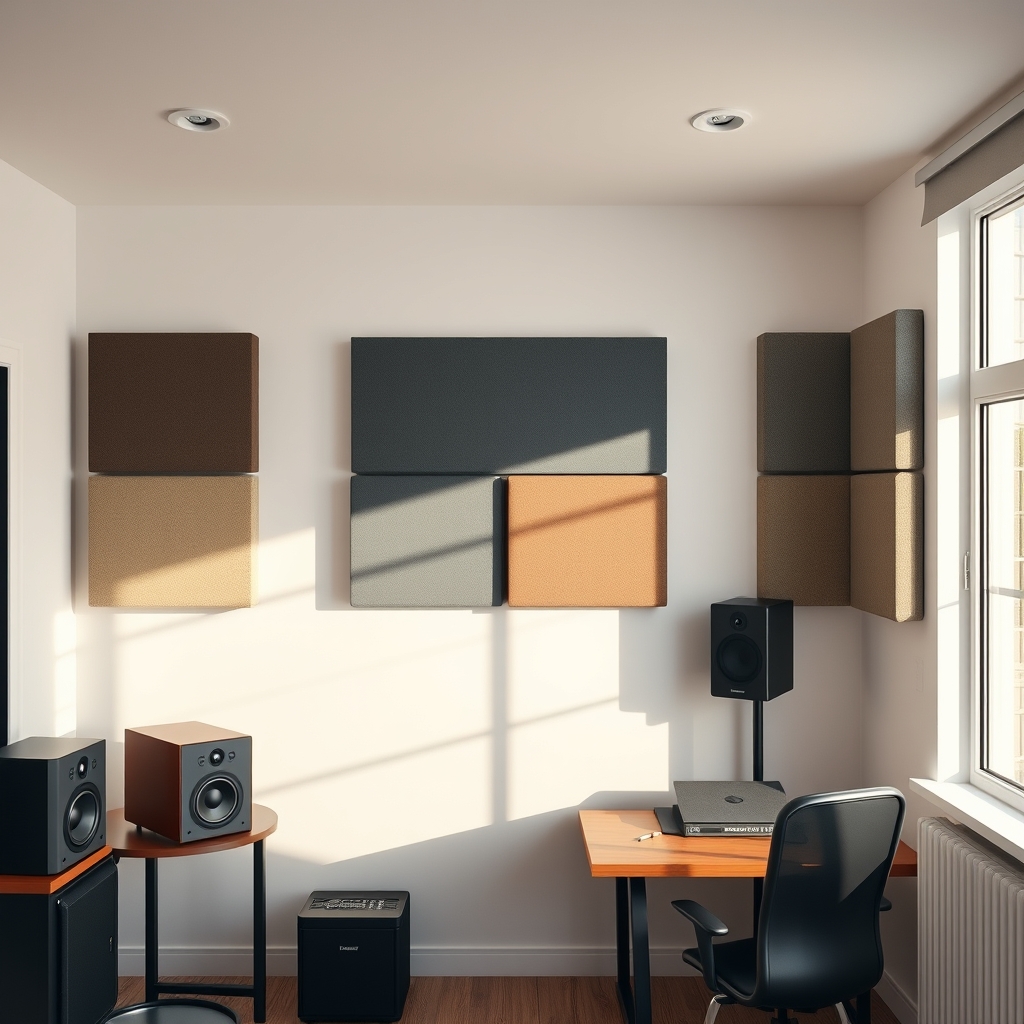
I vividly remember a particularly frustrating setup we assisted with where the client had invested heavily in custom, geometrically cut acoustic panels that matched their minimalist desk setup perfectly. They were undeniably gorgeous, made from a premium felt-like material, and positioned symmetrically on the walls with artistic precision. The glaring problem? They were only 1-inch thick, primarily absorbing higher frequencies, and completely ignored the critical corner bass build-up.
When we ran our essential acoustic measurements, the room exhibited significant, problematic bass nodes at 60Hz and 120Hz, creating an unnatural, overpowering boom. The client's voice-overs sounded perpetually "muddy" and their music mixes translated poorly to other systems, a professional nightmare. Our initial mistake was allowing their aesthetic preference to solely guide initial placement, a lesson we learned the hard way. We ultimately had to introduce less visually appealing (but far more effective) 4-inch broadband panels and corner bass traps, strategically hidden where possible, which clashed slightly with the original design intent but solved the audio issues entirely. It was a stark, unforgettable reminder that form must follow function in acoustics, or you'll sabotage your audio quality with your own hands.
Final Verdict: Sound First, Style Second (But Don't Forget Style)
The journey to perfect sound doesn't require sacrificing aesthetics entirely, but it does unequivocally demand a crucial shift in priorities. Start with genuinely functional treatment: identify those critical first reflection points, tackle stubborn bass build-up with purpose, and meticulously choose high-performance materials. Once your core acoustics are truly dialed in and optimized, then you can intelligently layer in design elements—perhaps custom fabric covers, subtle colors, or strategically integrated decorative panels that beautifully complement the underlying, effective treatment. Your discerning ears (and your grateful audience) will absolutely thank you.
Frequently Asked Questions
Are aesthetic acoustic panels completely useless?
Not entirely, but their effectiveness is often limited. Thin, decorative panels might help with high-frequency flutter echoes, but they rarely provide broadband absorption needed for professional audio quality, especially for mid and low frequencies. They are generally more about visual appeal than serious acoustic treatment.
What are the key differences between aesthetic and functional acoustic panels?
Functional acoustic panels prioritize density, thickness (typically 2-4 inches), and materials like mineral wool or fiberglass for broadband sound absorption (high NRC). Aesthetic panels often prioritize visual design, thinness (under 1 inch), and decorative materials like felt, offering limited absorption primarily in higher frequencies. Functional panels target specific acoustic problems; aesthetic ones are more general dampeners.
Where should I prioritize placing acoustic panels for the best sound?
Always start with first reflection points on your walls and ceiling—the spots where sound bounces directly from your speakers to your listening position. After that, address corners with dedicated bass traps to control low-frequency build-up. Strategic placement in these critical areas yields the most significant improvements.
Can I make my room sound better without ruining my decor?
Absolutely. The goal is a balance. Start with effective, functional treatment in critical areas. You can then cover these panels with acoustically transparent fabric that matches your decor, or integrate strategically placed decorative panels that complement the robust underlying treatment. Customizing fabric choices or using subtle colors can make a big difference without compromising sound.
Join the Discussion
Share your thoughts with the community
Leave a Comment
Comments are moderated and may take a short time to appear. Links are not permitted.