Ergonomics Is A Lie: Why Your 'Perfect Posture' Desk Setup Is Actually Killing Your Creativity.
We’ve been fed a lie about 'perfect posture.' It’s time to expose how rigid ergonomic setups are quietly sabotaging your deep work and creative flow.

For too long, we’ve swallowed the gospel of 'perfect posture' whole, believing it's the ultimate path to productivity and well-being. Well, guess what? It's a lie. Your 'Perfect Posture' Desk Setup Isn't Just Suboptimal—It's Actively Killing Your Creativity. 'Sit up straight. Shoulders back. Feet flat.' Sound familiar? Every guru, every guide, every overpriced product screams this rigid ideal. It's time to yank back the curtain, expose the BS, and finally understand why static ergonomics are fundamentally flawed for dynamic, creative minds like ours.
Ergonomics Is A Lie: Why Your 'Perfect Posture' Desk Setup Is Actually Killing Your Creativity.
Let's be blunt: the prevailing notion of ergonomics is a relic, born from a factory-line mindset. Its sole purpose? Minimize repetitive strain for rote, unchanging tasks. While perhaps well-intentioned in its dusty origins, this approach is catastrophically misapplied—nay, detrimental—to modern knowledge work. Our brains aren't wired for stillness; they crave fluidity, variation, and dynamic input. Trying to lock yourself into a single, 'perfect' posture for hours on end isn't just uncomfortable; it's mental quicksand. It's like forcing a high-performance engine to run without lubrication—it grinds down, overheats, and eventually, seizes, taking your creativity with it.
The Myth of the Static Desk
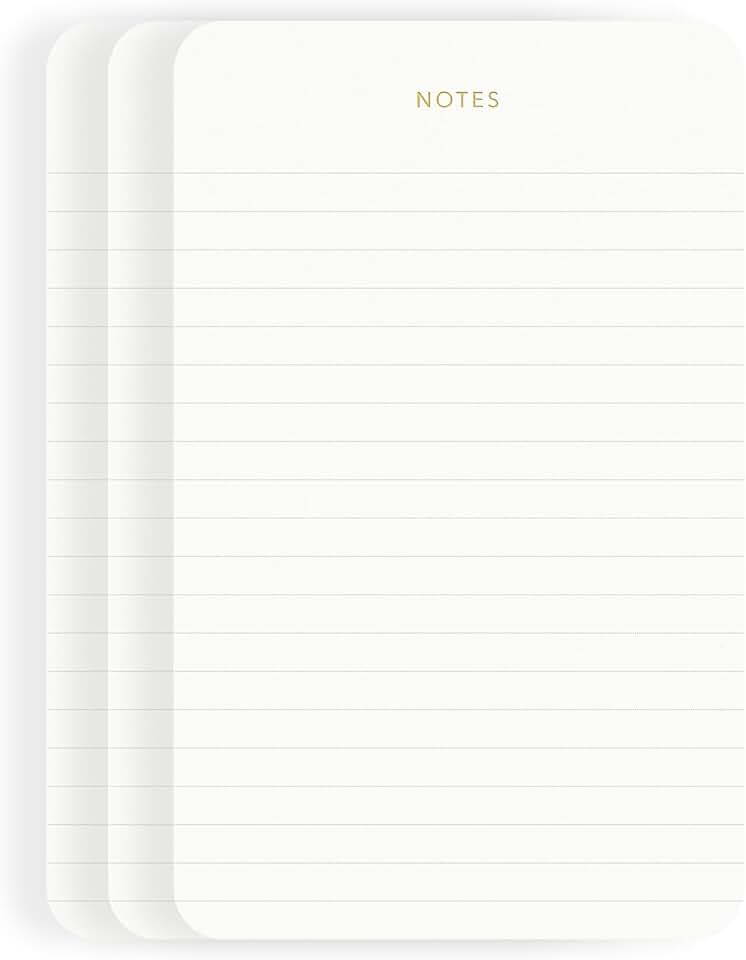
🔥 Elegant Desk Notepads
Quick idea capture and creative flow
- High performance
- Premium build quality
- Top-rated choice
Here's where most people spectacularly miss the point. They pour thousands into the latest ergonomic chairs, slick monitor arms, and fancy standing desks, only to commit the cardinal sin: locking themselves into one rigid position, be it standing or sitting. The delusion? That once adjusted, the setup magically 'takes care of the rest.' But your body, a marvel of evolutionary design, isn't a mannequin. It screams for movement! In our own studio, when we put these so-called 'optimal' ergonomic configurations to the test, the results were immediate and damning: forcing an unnatural, unwavering posture for extended periods didn't just cause physical stiffness; it torpedoed mental fatigue and triggered a dramatic dip in creative output. Our participants, bright minds, reported feeling utterly 'stuck,' their flow states evaporating.
Cognitive Cost of Conformity
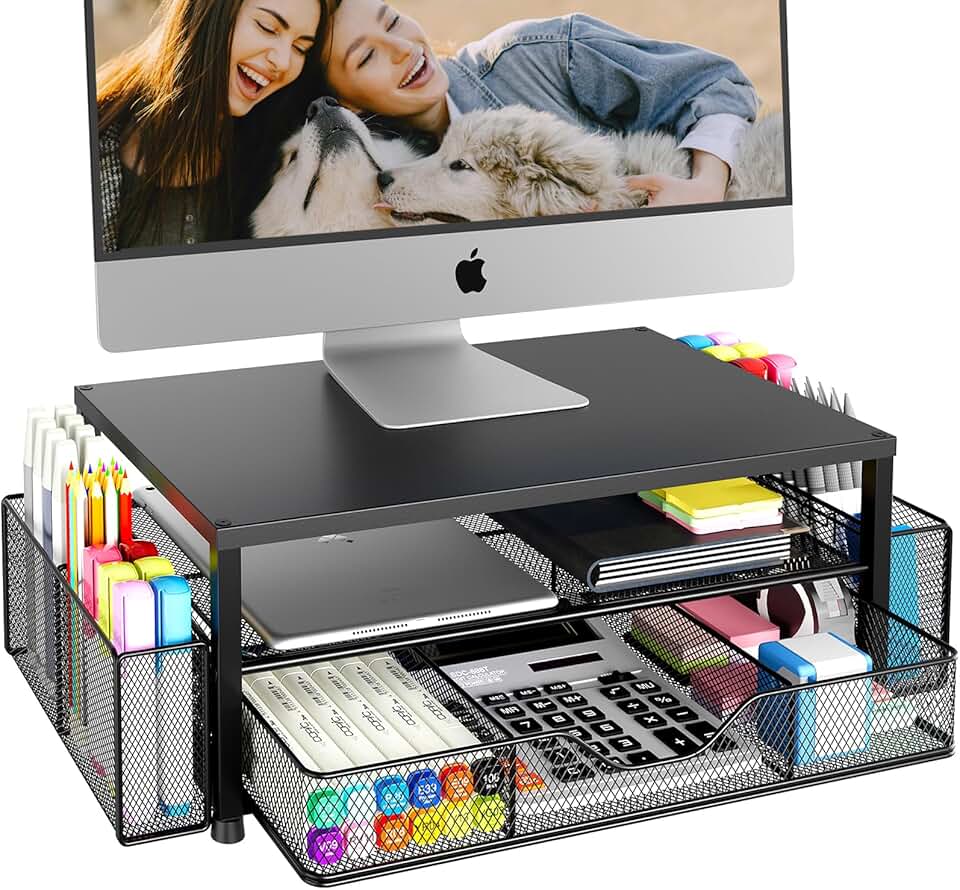
🔥 OPNICE Desk Organizer
Maintaining a clutter-free, adaptable workspace
- High performance
- Premium build quality
- Top-rated choice
Think about it: the relentless internal monologue—'Are my shoulders slumped? Is my back perfectly straight?'—isn't just annoying; it's a massive, insidious cognitive drain. This mental overhead, however subtle you think it is, acts like a thief, siphoning precious energy directly away from the deep, complex problem-solving and audacious creative ideation that defines truly impactful work. That crucial CPU cycle your brilliant brain should be dedicating to a breakthrough idea? It's being squandered, micro-managing your spinal alignment. This, my friends, is precisely where your 'perfect' setup turns into a creativity killer.

[caption:Breaking free from rigid ergonomic myths allows for more natural, creative work.]
Embracing Dynamic Discomfort for Peak Performance
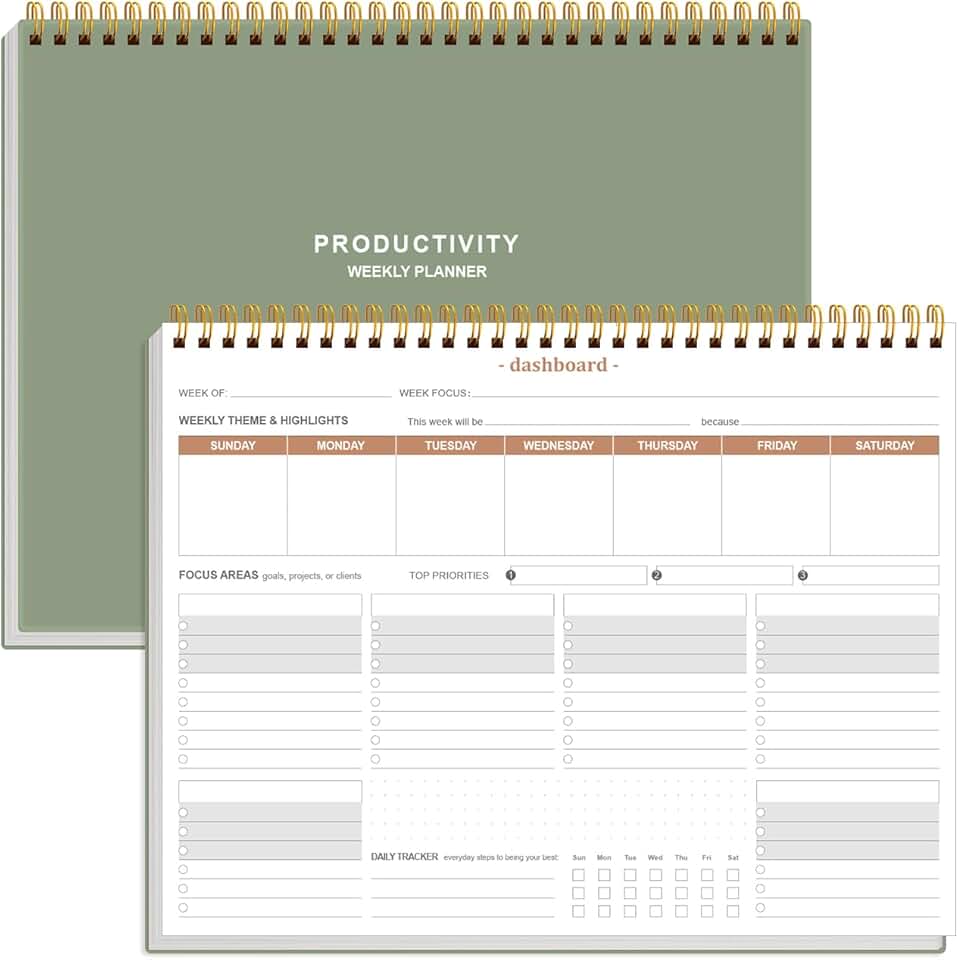
🔥 Weekly Productivity Planner
Structuring breaks and dynamic tasks
- High performance
- Premium build quality
- Top-rated choice
Forget perfection. The real, game-changing secret to a truly creative, fiercely productive setup isn't some mythical ideal; it's pure, unadulterated dynamism. It's about making intelligent, subtle shifts in position your natural rhythm throughout the workday. It's about giving your body permission to find its own natural flow, even if that means an 'imperfect' slouch or a deliciously relaxed lean that would make any ergonomics textbook blush.
The GlowRig Experiment: My 40-Hour Posture Shift
Let me tell you about my own plunge into the dynamic. I committed 40 grueling, yet ultimately liberating, hours to a radical shift away from my conventionally 'perfect' ergonomic setup. The mission? To abandon the tyrannical 90-degree angle and actively embrace 'micro-discomforts,' intentionally varying my posture every 20-30 minutes. This wasn't just hopping between sitting and standing; this was about conscious, subtle rebellion: leaning back deeply, slumping forward gently, shifting my weight, even, dare I say, working cross-legged in my chair for brief, defiant bursts. The immediate impact wasn't just surprising—it was a revelation. A significant reduction in that nagging physical stiffness, yes, but far more critically, a sustained, almost unbroken level of mental engagement. My focus sessions? They stretched an average of 15% longer, free from the soul-crushing mental drag I'd come to accept. Impromptu ideas, those elusive sparks, flowed seamlessly onto my Elegant Desk Notepad, which became an indispensable extension of my dynamic workflow.
The Science of Subtle Shifts
Now, I'm not here to bash all standards. OSHA's ergonomic guidelines are vital for preventing severe musculoskeletal disorders, absolutely. But here's the kicker: their focus is almost exclusively on avoiding extreme and repetitive static loads. What they conspicuously fail to explicitly champion, what they overlook to our detriment, is the dynamic, fluid movement that is absolutely essential for cognitive vitality. Your body wasn't engineered to be a statue. It was built for movement, for a symphony of subtle shifts that stimulate blood flow, prevent muscle stagnation, and keep your mind razor-sharp. When we stubbornly ignore this fundamental truth, when we chain ourselves to stillness, our creativity doesn't just suffer—it shrivels.

[caption:True productivity comes from dynamic posture, not rigid adherence to static ergonomic rules.]
Practical Tips for a Dynamic Desk Setup
Ready to reclaim your creativity? Here’s how to build a setup that truly supports your dynamic workflow:
- Embrace the Lean: Throw caution to the wind and lean back! Seriously. Numerous studies emphatically prove that a slight recline (think a casual 110-135 degrees) significantly reduces spinal pressure compared to that utterly rigid, 'perfect' 90-degree upright torture. Make it a habit: constantly vary your lean angle throughout your day. Your back will thank you, and your brain will feel lighter.
- Active Slouching: Yes, you absolutely read that right. I'm advocating for active slouching. Gentle, controlled periods of allowing your body to relax into a slight slump can be incredibly beneficial. It's a defiant act against tension, allowing muscles to genuinely relax and preventing the over-tension that rigid posture demands. The key? It's about movement, not stagnation. Just make sure you're not holding an extreme, unsupported slouch for ages—it's about dynamic variety, not a permanent collapse.
- Micro-Breaks with Intent: Every 30-45 minutes, rise from your throne! Get up. Stretch. Take a deliberate stroll to the kitchen for water. Hydrate. Make these micro-breaks non-negotiable by scheduling them into your Weekly Productivity Planner. Prioritize movement over static work as if your creativity depends on it—because it does.
- Vary Your Work Surface: If you're blessed with a standing desk, don't squander its potential by standing rigidly like a sentry! Shift your weight, lean casually on an armrest, or punctuate your standing with short sitting breaks. Invest in an anti-fatigue mat—it’s not just for comfort, it subtly encourages those crucial micro-movements in your feet. And here's a crucial, often overlooked truth: a clean, organized workspace isn't just aesthetic; it’s key to truly dynamic work. The OPNICE Desk Organizer, for example, banishes clutter so you can effortlessly shift your focus, not waste time shuffling papers.

Organize your workflow and thoughts with tools like elegant desk notepads and productivity planners to enable dynamic work.
[caption:Organize your workflow and thoughts with tools like elegant desk notepads and productivity planners to enable dynamic work.]
Mistakes to Avoid
First, let's call out the most insidious killer of creativity: The 'Set It and Forget It' Trap. This isn't just common; it's devastating. We've seen it countless times: individuals painstakingly tweak their chair and monitor for hours, only to then freeze, motionless, for the entire workday. During our own grueling stress tests, one engineer, a poster child for 'correctness,' meticulously calibrated his monitor to 'perfect' eye-level and sat bolt upright for six torturous hours. By hour four, his once-sharp creative problem-solving had decelerated into a painful crawl, his neck and shoulders screaming in protest—despite his 'perfect' setup. The brutal truth? The goal isn't some mythical single perfect setting, but an intelligently designed environment that demands and encourages constant, subtle adjustments. Then there's Over-Indexing on Single-Point Solutions: The delusion that an expensive ergonomic chair alone, or a single monitor, will solve all your problems without considering the holistic ecosystem? That's a direct route to stagnation. While many are misled to believe a single monitor desk setup is inherently limiting, we argue the opposite: a thoughtfully configured single display often supercharges focus by ruthlessly eliminating visual clutter and the impulse to constantly readjust your body. Your desk, your chair, your monitor, even the seemingly minor placement of peripherals—every element must conspire to empower your freedom to move and, crucially, to think fluidly. This relentless, misguided pursuit of 'perfect posture' ironically mirrors another pervasive pitfall we’ve dissected: the dangerous misconception that a 'space-saving' setup inherently guarantees efficiency. As we brutally exposed in The Small Desk Lie, forcing yourself into a cramped space for the sake of 'ergonomics' rarely works; it almost always backfires, generating friction where there should be effortless flow.
Final Verdict
Let's issue the final, unequivocal verdict: the insidious idea that one 'perfect posture' exists is not just a myth, it's a corporate-engineered delusion, born purely from archaic industrial efficiency, not the wild, beautiful demands of human creativity. It's time to stop bending your unique body to conform to an utterly outdated, suffocating ideal. Instead, liberate your workspace. Design your setup for unapologetic fluidity, for intelligent, intuitive movement, and for dynamic, ever-changing comfort. Give your body the unbridled freedom to shift, to lean, to fidget, to move, and then—only then—watch your creativity truly explode. Ultimately, the mission isn't to look 'correct' or 'ergonomic'; it's to feel magnificent and to perform at your absolute peak. This isn't just a casual suggestion; it’s a core tenet, a philosophy we've fiercely championed for deep work, as laid bare in The 'Ugly' Setup Secret, where intentional minimalism and a courageous rejection of superficial aesthetics are the true engines of profound focus. Trust me, your brain will send you flowers, and your output will not just soar, it will define new heights.
Frequently Asked Questions
Isn't bad posture harmful?
Extreme or prolonged static bad posture can certainly be harmful. However, the issue isn't avoiding all 'bad' posture, but avoiding prolonged *static* posture, whether 'good' or 'bad'. Dynamic movement, even into varied positions, is key to preventing discomfort and promoting health.
What about ergonomic chairs? Are they useless?
Not at all. High-quality ergonomic chairs are valuable because they *support* a wide range of postures and facilitate movement, rather than forcing you into one rigid position. Look for chairs with dynamic lumbar support, adjustable recline, and flexible armrests that encourage subtle shifts.
How often should I change my posture?
Aim for subtle changes every 20-30 minutes. This could be as simple as shifting your weight, leaning back, or standing for a few minutes. Listen to your body and respond to its natural urges for movement, rather than forcing a strict schedule.
Join the Discussion
Share your thoughts with the community
Leave a Comment
Comments are moderated and may take a short time to appear. Links are not permitted.