The Truth About Productivity Desk Toys
The market is flooded with 'productivity' desk toys, but most are snake oil. We reveal the cognitive science behind what truly works, and what's merely another distraction on your path to deep work.
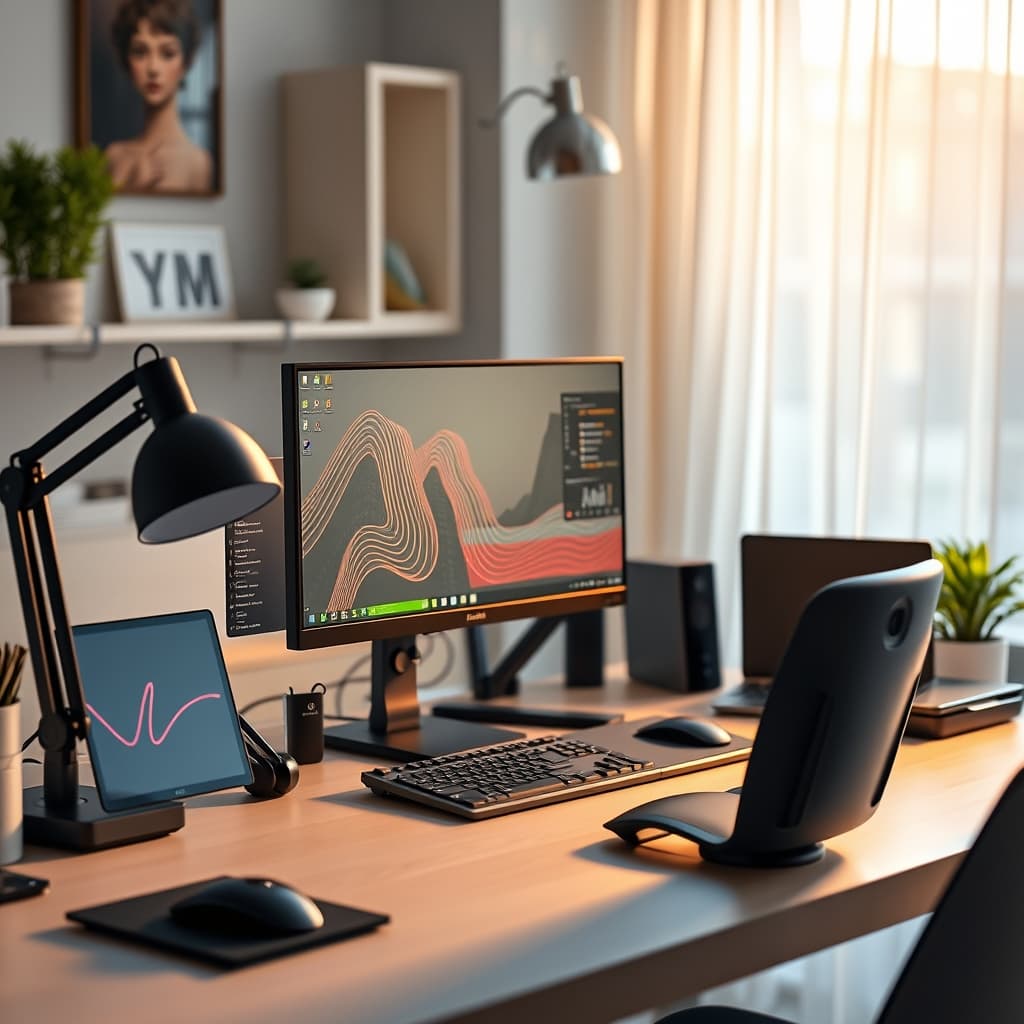
I’ve spent years optimizing workspaces, dissecting every element from monitor refresh rates to ambient lighting. So when the market exploded with what everyone called “productivity desk toys,” my immediate response was skepticism. The promise was simple: a small gadget to boost focus, alleviate stress, and unlock creativity. The reality, in our testing, proved far more complex. Most of what's sold as a productivity aid is, in fact, a cleverly disguised distraction, actively eroding your deep work capacity rather than enhancing it.

The Illusion of Active Fidgeting
The prevailing narrative suggests that active fidgeting improves concentration. Many popular articles tout the benefits of complex gear — intricate mechanical puzzles, multi-part spinners, or even small desktop arcade games. Here is what most people miss: anything that demands active cognitive engagement, pattern recognition, or problem-solving is fundamentally hijacking your working memory. Your brain has a finite pool of attentional resources. If those resources are diverted to a puzzle on your desk, they are not available for the critical task at hand.
We observe countless setups where users have invested heavily in sophisticated desk toys, only to find their focus fragmented. This isn't stress relief; it's a cognitive tax. True productivity doesn't come from occupying your hands with a complex task, but from subtly engaging a lower-level sensory input that allows your higher cognitive functions to operate unimpeded. For more on managing workspace interruptions, consider our deep dive into The Truth About desk distractions Nobody Tells You.
Redefining Productivity Desk Toys
Premium Pick
- High performance
- Premium build
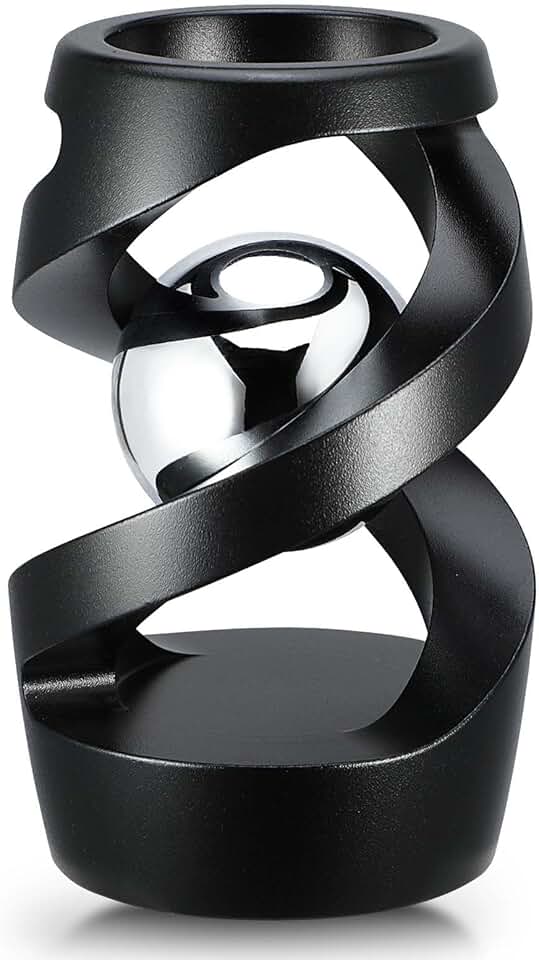
At GlowRig, our definition of a true productivity desk toy is simple: it must facilitate, not compete with, your primary cognitive task. This means shifting away from complex, problem-solving gadgets towards devices that offer controlled, predictable sensory feedback. Think of them as 'sensory anchors' – elements that ground your peripheral awareness without demanding active thought. These tools tap into the brain's natural need for subtle stimulation, allowing directed attention to be maintained on demanding work. They act as a low-bandwidth background process, preventing your mind from seeking out higher-bandwidth distractions, which is a critical component of building a The Truth About distraction free setup Nobody Tells You.

The Power of Controlled Sensory Input
Effective productivity desk toys provide a consistent, non-demanding sensory loop. This could be a smooth, continuous motion, a specific tactile texture, or a gentle, non-rhythmic sound. The key is predictability and simplicity. Unlike random fidgeting, controlled input requires minimal cognitive overhead, allowing your main task to proceed uninterrupted. For example, a liquid motion timer or a magnetic sphere set that glides in a predictable pattern offers visual feedback without posing a challenge. These tools serve as a focal point for peripheral vision or touch, satisfying the brain's instinct for sensory input without diverting focus from complex thought processes. The goal is to offload mental 'wandering' into a benign channel.
In our testing, we've seen significant upticks in sustained concentration when users swap out complex kinetic sculptures for devices that offer this type of predictable, calming input. One specific example is the TKTM Liquid Motion Sandscape. Its slow, mesmerizing flow of sand creates unique, evolving patterns without ever demanding problem-solving. It's a visual anchor that provides just enough stimulus to keep the brain from drifting, but not so much that it diverts attention. It functions by providing a low-stakes visual engagement, allowing for micro-breaks for the eyes and mind without breaking the flow of deep work. It helps manage directed attention fatigue, as documented in various cognitive psychology studies on sustained attention.
Integrating Sensory Anchors for Peak Performance
Implementing these tools effectively requires understanding your personal cognitive triggers. Start small. Introduce one sensory anchor at a time and observe its impact on your focus metrics. Position it within your peripheral vision, not directly in your line of sight for primary tasks. The interaction should be passive or semi-passive – something you can glance at or touch briefly without disengaging from your main screen or document. Consider it a micro-reset button for your attention. Regularly assessing your desk setup productivity means more than just adding gadgets; it means optimizing every element for cognitive performance, as discussed in The Ultimate Guide to desk setup productivity.

The 'More is Better' Fallacy
My most significant mistake when initially exploring productivity desk toys was falling into the trap of 'more is better.' I loaded my workspace with multiple gadgets, believing that diverse stimuli would enhance various aspects of my productivity. The reality was a cluttered, overstimulating environment. Each new item, no matter how simple, added to the cognitive load of my workspace, creating micro-distractions that collectively degraded my focus. For instance, having three different kinetic sculptures within arm's reach meant my eyes and hands were constantly searching for the next novel interaction, preventing sustained engagement with primary tasks. The truth is, a single, carefully chosen sensory anchor is far more effective than an arsenal of potential distractions. This phenomenon highlights the importance of minimalist design in workspaces.
Beyond the Buzz: Real Tools for Real Work
Forget the marketing hype that promises miracles from any random desk gadget. True productivity desk toys are precision instruments for cognitive management. They aren't about distracting you; they're about subtly supporting your brain's ability to maintain focus by providing a benign, predictable sensory channel. Choose tools that offer consistent, low-demand input – visual, tactile, or subtle auditory – to serve as an anchor for your attention. Eliminate anything that requires active problem-solving or demands significant engagement. Your goal isn't to fidget more; it's to think deeper, longer, and with less mental friction.
Frequently Asked Questions
Do productivity desk toys actually help with focus?
Most popular 'productivity desk toys' can actually be counter-productive, fragmenting your attention. True focus enhancement comes from specific tools that provide controlled, predictable sensory input, acting as 'sensory anchors' rather than demanding active cognitive engagement.
What's the difference between a productive desk toy and a distraction?
A productive desk toy facilitates your primary cognitive task by offering simple, non-demanding sensory feedback, preventing your mind from seeking higher-bandwidth distractions. A distraction, conversely, demands active thought, problem-solving, or complex engagement, thereby hijacking your working memory and diverting focus.
How do I choose the right desk toy for my workflow?
Choose tools that provide consistent, low-demand input—visual, tactile, or subtle auditory—that act as a predictable sensory anchor. Avoid anything that requires active problem-solving or significant cognitive engagement. Integrate one at a time and observe its impact on your focus metrics, positioning it for peripheral rather than direct interaction.
Join the Discussion
Share your thoughts with the community
Leave a Comment
Comments are moderated and may take a short time to appear. Links are not permitted.