The Truth About Standing Desk Benefits Nobody Tells You
Many chase standing desks for superficial health claims, but the true power lies in cognitive transformation. This isn't about burning calories; it's about sculpting a mind primed for deep work and sustained focus. We reveal how most people miss the genuine advantages.
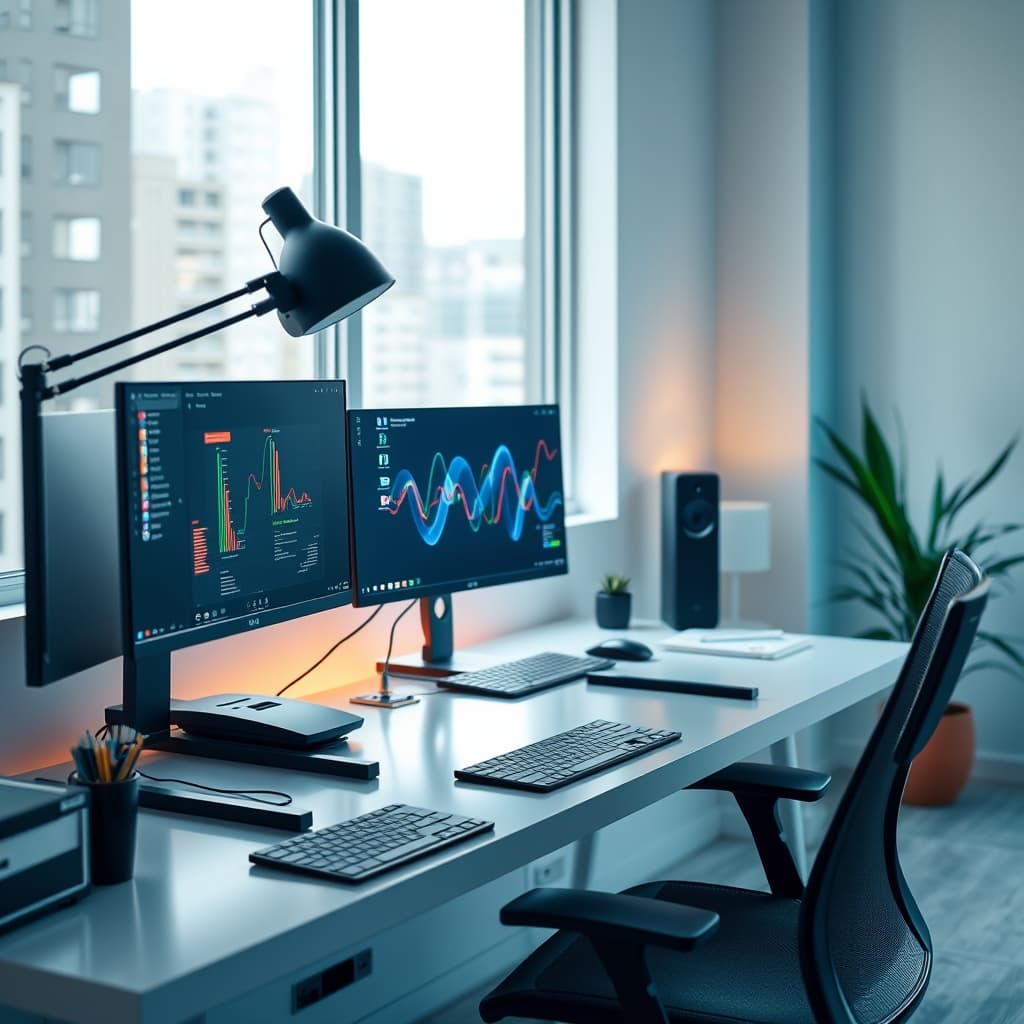
For years, I believed the narrative: a standing desk was a simple antidote to the sedentary office life, promising better posture and a subtle calorie burn. I bought into the hype, invested in a solid unit, and stood religiously. Yet, the deep, sustained focus I craved often remained elusive. My back felt slightly better, sure, but my mind still wandered, and cognitive fatigue set in faster than expected. The reality struck me: I was using my standing desk as a static prop, not as a dynamic tool for enhancing my mental landscape. The standing desk benefits I sought weren't appearing because I was making fundamental mistakes in how I integrated it into my deep work routine.
The Sedentary Trap Beyond Physical Discomfort
We often frame prolonged sitting as a physical health crisis, leading to back pain, poor circulation, and metabolic issues. While these are critical, the more insidious problem for those striving for peak performance is its impact on our cognitive architecture. Static, prolonged sitting creates a subtle but constant drag on our mental energy. It lulls the brain into a state of passive reception, hindering sustained attention and making it harder to transition into a flow state. Think of it as a low-grade cognitive load – not explicitly painful, but continuously siphoning off mental resources that could be dedicated to complex problem-solving or creative thought. This isn't just about avoiding a sore back; it's about recognizing how physical stasis breeds mental stagnation.
Re-architecting Your Cognition with Dynamic Standing
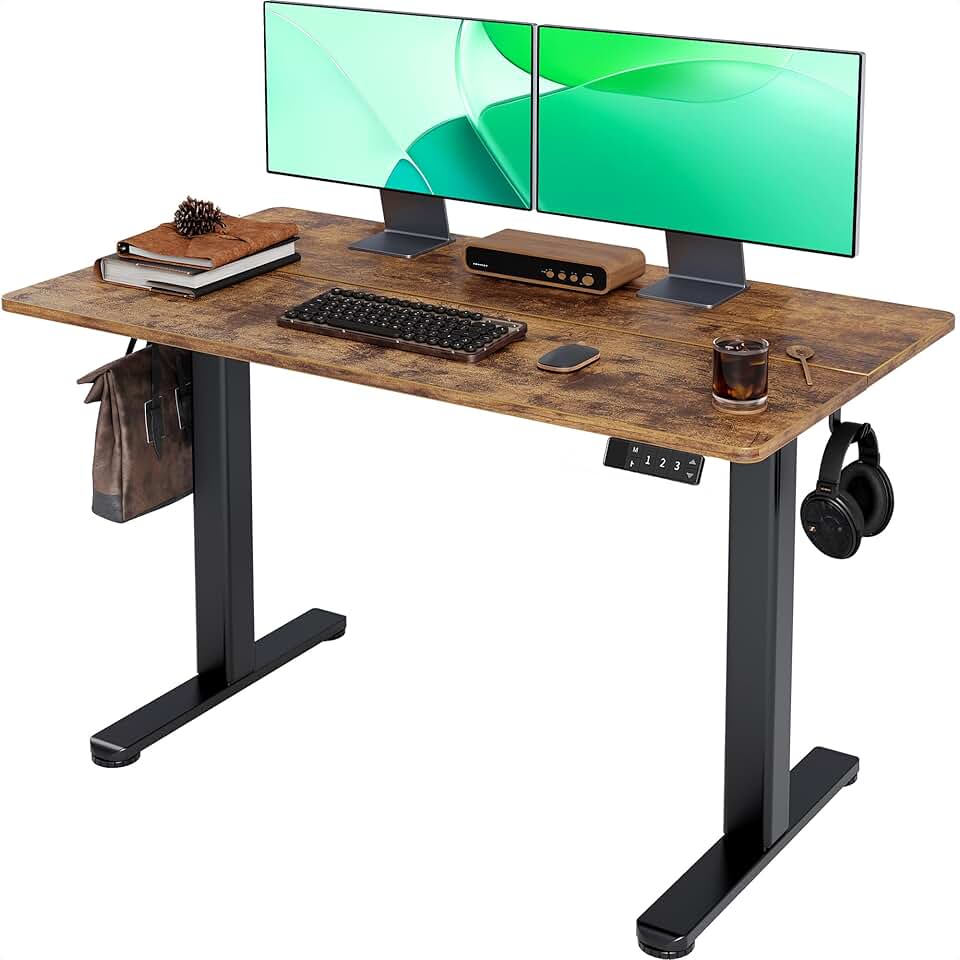
The real standing desk benefits emerge not from merely standing more, but from how you stand and, crucially, how often you change your position. This isn't a binary choice between sitting and standing; it's about creating a fluid, dynamic relationship with your workspace. When approached strategically, a standing desk becomes a powerful lever for dopamine regulation, a tool for reducing ambient cognitive load, and a catalyst for true deep work. It allows for micro-movements that gently stimulate the nervous system, preventing the cognitive 'slump' associated with prolonged stillness. In our testing, this dynamic approach consistently led to longer periods of focused work, reduced mental fatigue, and an easier return to tasks after short breaks. The goal isn't just to stand; it's to move, to shift, to subtly re-engage your body so your mind can truly disengage from distraction.
Dopamine Detox and the Flow State Lever
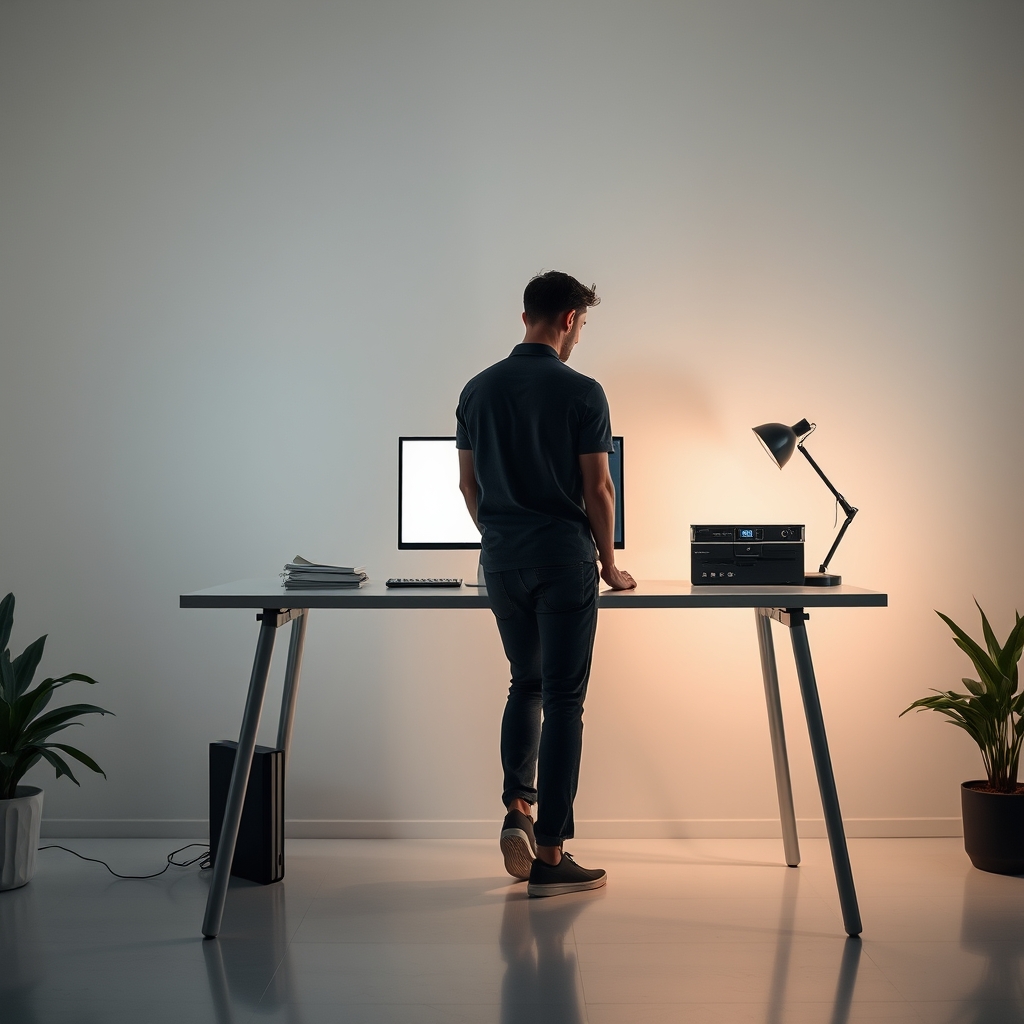
One of the most profound, yet overlooked, standing desk benefits is its role in a natural dopamine detox. In a world saturated with instant gratification and constant digital stimulation, our dopamine pathways are often overstimulated and subsequently depleted. Prolonged, static sitting can exacerbate this, leading to a restless craving for external stimuli – a quick social media check, an email notification, anything to spark that momentary dopamine hit. Gentle, intentional movement, however, provides a low-level, steady stream of neurochemical engagement. This isn't the intense spike from a new notification, but a subtle, sustained activation that helps maintain focus without the subsequent crash. Academic research on micro-breaks and physical activity during work hours consistently shows improvements in alertness and sustained attention. By allowing for natural swaying, shifting weight, or even light stretching, a standing desk supports a more balanced dopamine release, enabling longer periods in a flow state. This intentional movement acts as a shield against the pervasive digital distractions, making it easier to cultivate a distraction free setup where your mind can truly settle into deep work.
The Myth of “More Standing is Better” and Cognitive Load
Here is what most people miss: simply standing for eight hours straight is not only impractical but often counterproductive. This is one of the biggest mistakes I made early on. My personal experiment of trying to stand for an entire workday quickly led to leg fatigue, lower back discomfort, and, paradoxically, increased mental distraction as my body protested. The discomfort became another layer of cognitive load, making it harder to concentrate. The reality is, the benefits are maximized through intelligent integration, not extreme endurance. OSHA guidelines, while not specific to standing desks, emphasize the importance of varied postures and frequent breaks to prevent musculoskeletal disorders. The optimal cadence isn't about how much you stand, but how intelligently you transition. Think of it as active sitting and active standing. Switching between sitting and standing every 20-30 minutes, or even a 1:1 sit-stand ratio, allows your body to remain dynamic without overtaxing any single muscle group. This minimizes physical discomfort, thus reducing the cognitive energy spent on managing that discomfort, freeing up your mental bandwidth for the task at hand. Just as with Ergonomic Chair Problems Masterclass, understanding the nuances of how your body interacts with your workspace is paramount.
Cultivating Distraction-Free Environments Through Movement
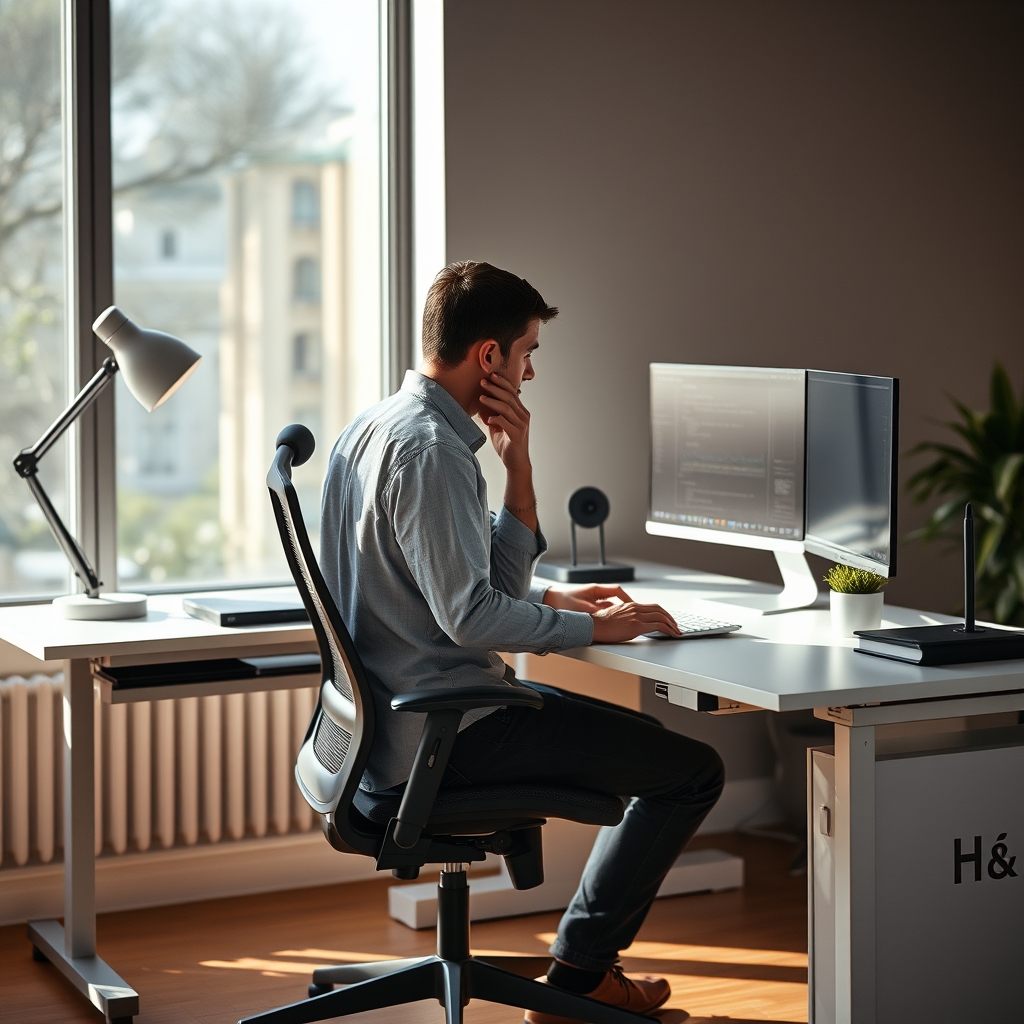
Minimalism in the workspace isn't just about decluttering your physical desk; it extends to decluttering your cognitive space. A dynamic standing posture contributes significantly to this. When your body is gently engaged, you naturally reduce the unconscious urge to fidget or seek external stimuli to break monotony. This internal engagement helps you stay anchored in your task. Imagine a calm, focused presence where your physical state supports your mental clarity. This isn't achieved by rigidly forcing yourself into one position, but by allowing your body the freedom to make small adjustments, signaling to your brain that it's okay to stay focused. This seamless integration of physical movement with mental tasking is a cornerstone of a truly productive desk setup, reducing the influence of desk distractions.
Engineering Your Standing Flow: Practical Tips
- Start Small, Build Up: Don't leap into hours of standing. Begin with 15-20 minute intervals, 2-3 times a day. Gradually increase as your body adapts.
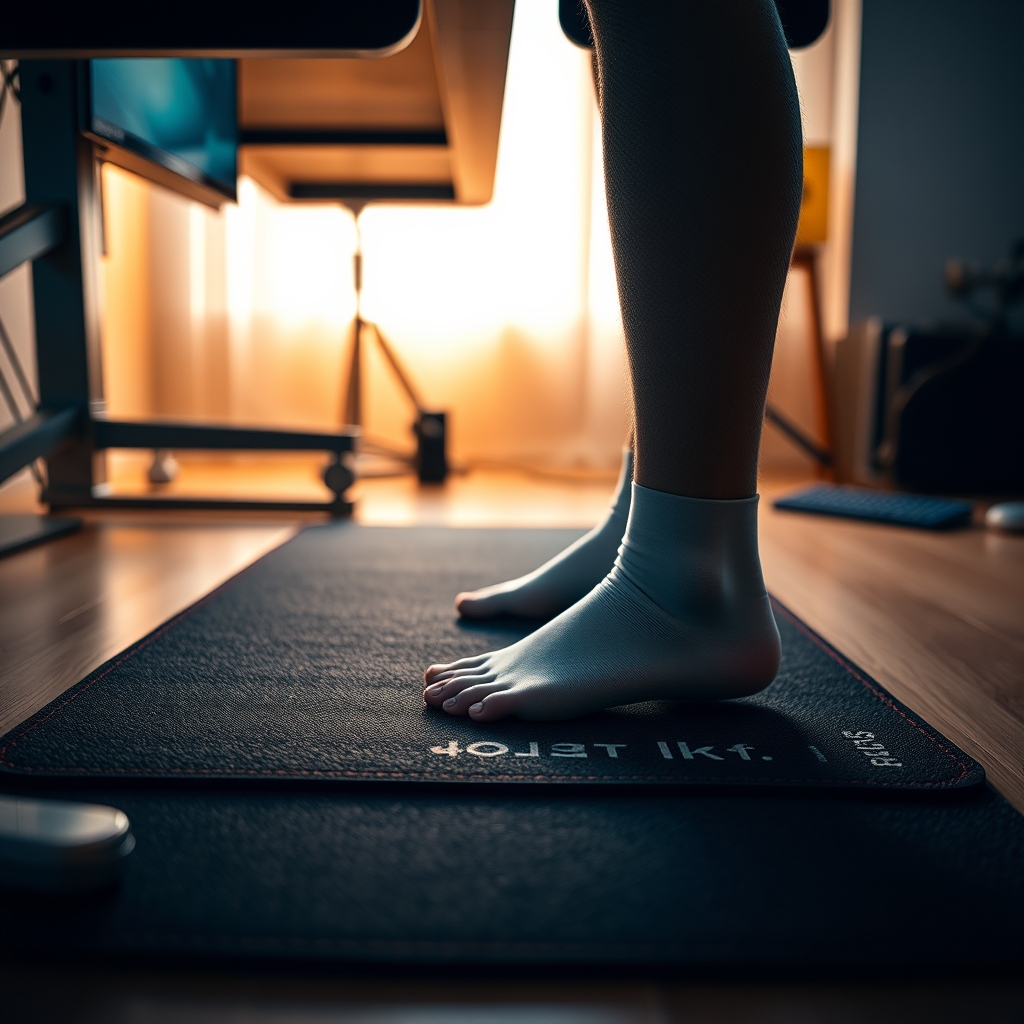
- Focus on Dynamic Movement: Don't stand rigidly. Shift your weight, sway gently, do calf raises, or take micro-steps. An anti-fatigue mat is crucial for comfort and encouraging subtle movement.
- Use Timers or Smart Desk Presets: Set a simple timer on your phone or use your standing desk's memory presets to prompt regular transitions. Consistency is more important than duration.
- Optimal Monitor Height: When standing, ensure your monitor is at eye level, approximately an arm's length away. This prevents neck strain that can negate all other benefits.
- Listen to Your Body: If you feel discomfort, switch positions. This isn't about enduring pain, but about finding a comfortable rhythm that supports your work.
Mistakes to Avoid: Sabotaging Your Standing Desk Benefits
My initial mistake of standing too long without breaks is a common pitfall. People often assume more standing equals more benefits, leading to prolonged static postures that create new ergonomic issues and increased fatigue. Another mistake is ignoring discomfort. Pushing through pain doesn't make you more productive; it creates a mental distraction and potential injury. Many also neglect proper monitor and keyboard height adjustments when transitioning, leading to a strained neck and shoulders. The goal is fluid movement and ergonomic alignment, not just being upright.
Final Verdict: Standing as a Cognitive Accelerator
The genuine standing desk benefits extend far beyond a checkmark on a health list. They are deeply rooted in supporting our cognitive processes, regulating our energy, and creating an environment where deep work can flourish. By embracing dynamic movement and shunning the 'more is better' fallacy, you transform a piece of furniture into a powerful ally for sustained focus, reduced cognitive load, and a more integrated, distraction-free workday. It's about intentional engagement, not just elevation. Treat your standing desk not as a cure-all, but as a finely tuned instrument in your orchestra of productivity tools.
Frequently Asked Questions
How does standing improve focus and reduce cognitive load?
Standing encourages subtle micro-movements that prevent the cognitive 'slump' associated with prolonged sitting. This gentle physical engagement helps regulate dopamine levels, maintaining sustained attention without the need for external stimuli. By reducing physical discomfort and promoting dynamic posture, it frees up mental bandwidth that would otherwise be spent on managing physical unease, thus lowering cognitive load.
Can too much standing be detrimental to productivity or health?
Yes, standing for excessively long, static periods can be counterproductive. It can lead to leg fatigue, lower back pain, and ironically, increased mental distraction as the body experiences discomfort. The benefits are maximized through dynamic movement and strategic sit-stand transitions, not by forcing yourself to stand for an entire workday. Listen to your body and prioritize comfort and varied positions.
What is the optimal sit-stand ratio for maximizing cognitive benefits?
There's no single 'optimal' ratio, but research and practical experience suggest frequent transitions are key. A common recommendation is to alternate between sitting and standing every 20-30 minutes. Some find a 1:1 sit-stand ratio beneficial. The goal is to avoid prolonged static postures and integrate dynamic movement throughout your workday to keep your body gently engaged and your mind alert.
Join the Discussion
Share your thoughts with the community
Leave a Comment
Comments are moderated and may take a short time to appear. Links are not permitted.