The Truth About office chair ergonomics
The conventional wisdom around office chair ergonomics often sabotages true deep work. We once chased the 'perfectly adjustable' chair, only to realize its complexity added cognitive load. The real truth is far simpler and more dynamic.

I spent years meticulously adjusting every knob and lever on what I thought was the ultimate ergonomic chair. My goal was simple: eradicate every ache, maintain an 'ideal' posture, and unlock uninterrupted flow state. The irony? The more I fiddled, the more distracted I became. My focus wasn't on the work; it was on the chair, on feeling ergonomic. This constant micro-adjustment and the mental checklist of 'am I sitting right?' became a silent saboteur of deep work. The pursuit of perfect office chair ergonomics had, paradoxically, increased my cognitive load.
The Deception of Static Perfection
Most advice on office chair ergonomics revolves around finding a single, static 'perfect posture.' You're told to sit with feet flat, knees at 90 degrees, back supported, shoulders relaxed. While these are good starting points for initial setup (and are often referenced by bodies like OSHA for baseline safety), they create an expectation of immobility. The problem is, the human body isn't designed for static holds. It thrives on movement, even subtle micro-shifts. When we try to force ourselves into one 'perfect' position for hours, we paradoxically increase tension, restrict circulation, and deplete the mental energy needed for focused tasks. It turns sitting into a conscious effort, pulling us out of flow.

The Core Principle: Dynamic Support for Flow State
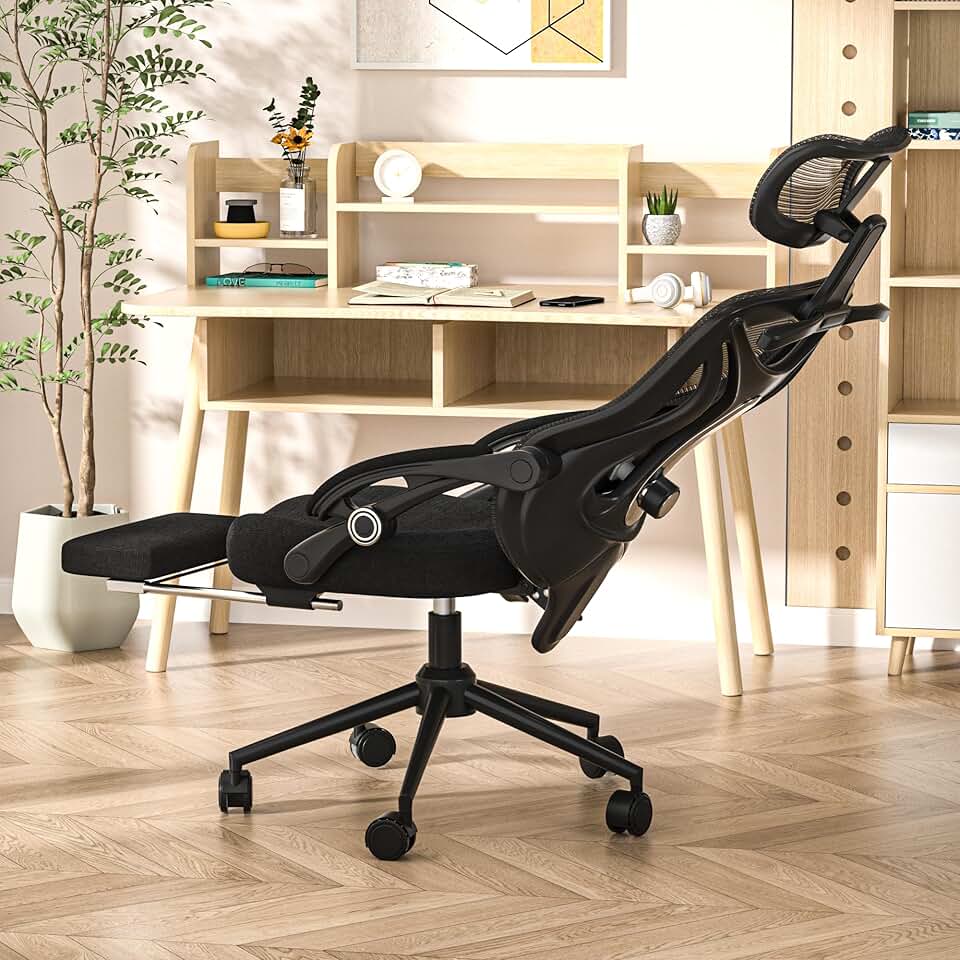
🔥 Ergonomic Office Chair with Footrest - Adjustable Lumbar Support & Headrest, 90-160° Reclining Mesh Back Computer Ch
Premium Pick
- High performance
- Premium build
The true essence of effective office chair ergonomics isn't about rigid adherence to a checklist; it's about enabling dynamic, intuitive support that fades into the background, reducing cognitive friction. It's about a chair that allows your body to naturally shift, breathe, and make micro-adjustments without conscious effort. This isn't just about physical comfort; it's psychological. A chair that demands constant attention is a chair that steals focus and prevents dopamine detox, keeping you tethered to physical sensation instead of liberating your mind for work. The goal is a distraction-free environment, and your chair is a critical, often overlooked, component.
Unpacking the Active Ergonomics Paradox
Here is what most people miss: an ergonomically sound chair doesn't force you into position; it invites movement. Think of it as active support rather than passive propping. We've been conditioned to believe that more features, more levers, and more 'support' automatically equate to better ergonomics. The reality is, often, these complexities create decision fatigue and a constant internal debate about whether you've found the absolute best setting. This is a cognitive trap. Instead, the focus should be on how the chair facilitates natural posture changes and distributes pressure effectively during various tasks, from intense coding to thoughtful writing. The conventional wisdom often misinterprets what true comfort means for extended periods of focused work, as we've explored when discussing the truth about perfect posture nobody tells you.
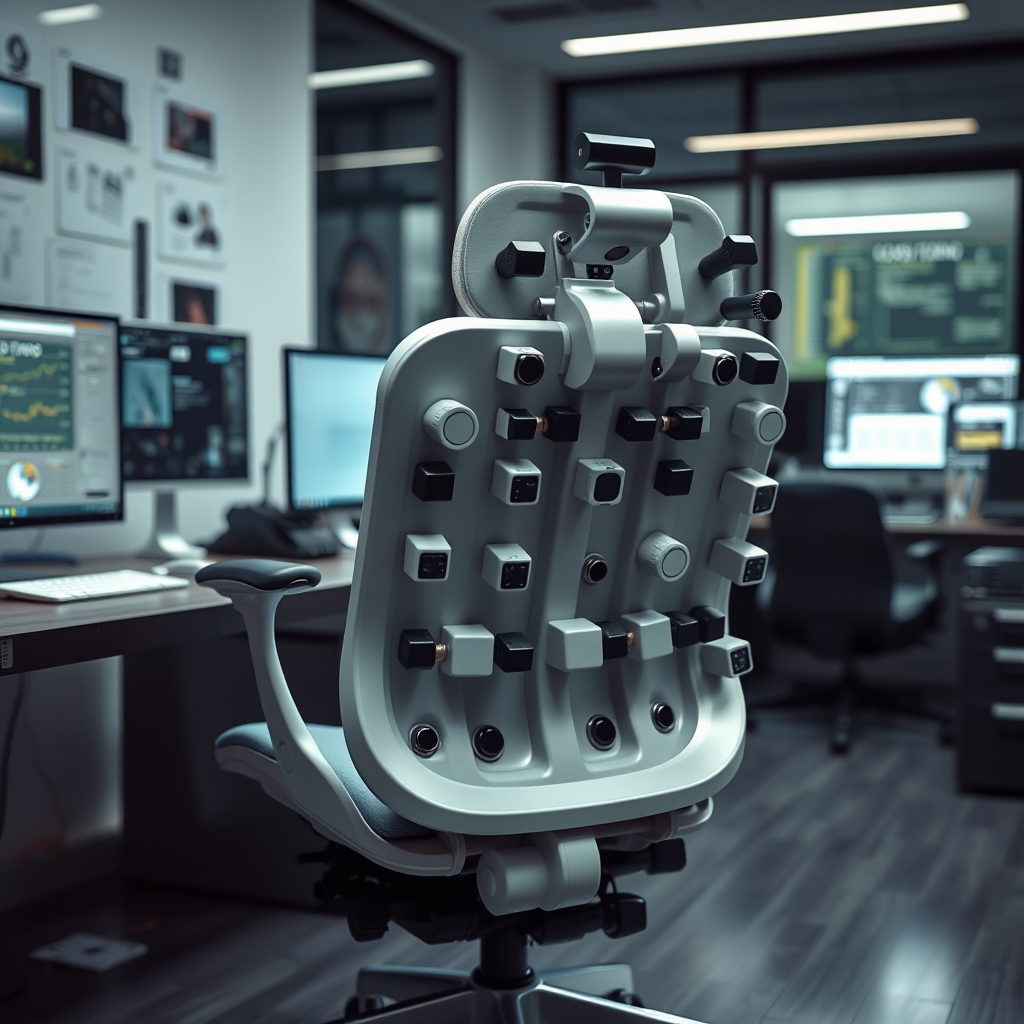
The Minimalist Approach to Chair Adjustments
In our testing, we've found that often, the most effective ergonomic setups are the most minimalist. This isn't to say a cheap, non-adjustable chair is ideal. Rather, it suggests that once you've set your primary adjustments (seat height, backrest angle, armrest height) to broadly align with your body, you should resist the urge for constant tweaking. The goal is to set it and forget it, allowing your body to adapt and move naturally within that supportive framework. Over-adjusting keeps your awareness on the chair, rather than on your work. This philosophy extends to the entire workspace, as mastering your setup to remove distractions also includes mastering cable management for deep work.
The Myth of 'Perfect' Lumbar Support
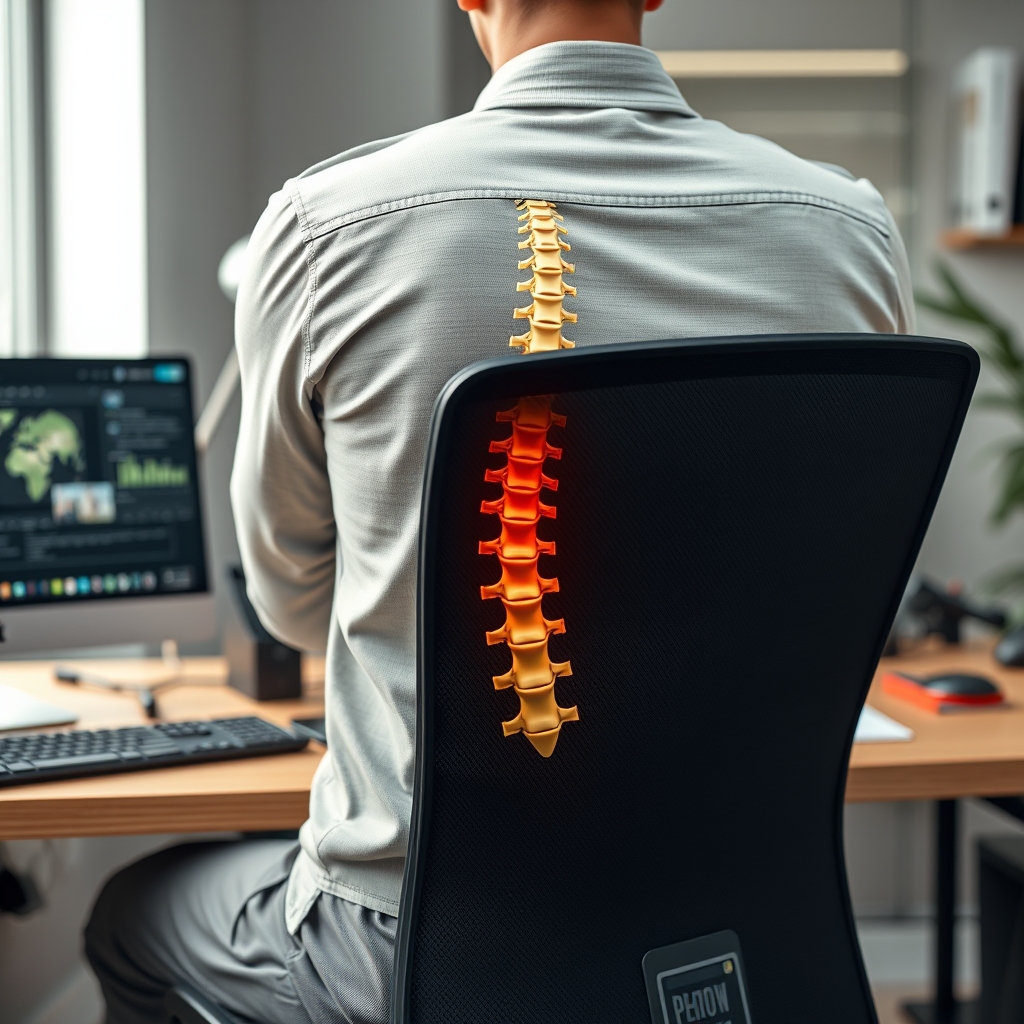
The emphasis on pronounced lumbar support can be a double-edged sword. While some support is beneficial, an overly aggressive or static lumbar curve can restrict natural spinal movement. Your spine is designed to have a natural curve, and it also needs to be able to flex and extend slightly throughout the day. A chair that locks you into one lumbar position might feel supportive initially but can lead to stiffness and discomfort over time. True lumbar support should be gentle, conforming, and allow for slight shifts. It’s about cushioning, not rigidly dictating. This often ties into the broader discussion about the truth about office chair posture and how our bodies interact with support structures.
Practical Tips for Active Office Chair Ergonomics
- Prioritize Movement: No matter how ergonomic your chair is, the best posture is the next posture. Set a silent timer to shift your weight, stand up, or stretch for 30 seconds every 30-60 minutes. This is more effective than chasing a static 'perfect' position.
- Simplify Adjustments: Find your optimal seat height, depth, and backrest recline for your primary tasks. Then, leave them alone. Resist the urge to constantly fine-tune. Too many options can lead to decision fatigue.
- Listen to Your Body: Pay attention to early signs of discomfort, not as failures, but as signals. A slight ache means it's time to shift, not necessarily to re-engineer your entire setup. This sensory awareness is key to a personal dopamine detox from external distractions.
- Embrace Slight Recline: A slight recline (100-110 degrees) can often reduce disc pressure compared to a strict 90-degree upright posture. Experiment with what feels natural and supportive for your deep work sessions.
Mistakes to Avoid
- Over-reliance on Passive Support: Believing your chair will 'fix' your posture without any conscious effort or movement on your part is a major pitfall. Your body is an active participant in ergonomics.
- Ignoring Early Discomfort: Pushing through minor aches, hoping they'll go away, only leads to bigger problems. Address discomfort by shifting, moving, or taking a break.
- Constantly Tweaking: The endless pursuit of the 'perfect' adjustment settings turns your chair into a source of distraction rather than support. Find what works and stick with it.
- Buying for Features, Not Feel: A chair with 15 adjustment points isn't inherently better than one with 5 if those 5 points provide intuitive, dynamic support that allows you to forget the chair and focus on your work. Often, the marketing for features creates a false promise of superior performance, much like how the 'absolute quiet' of some workspaces can paradoxically spark anxiety, as seen in the absolute quiet deception.
Final Verdict
The real truth about office chair ergonomics isn't about finding a magically perfect, static position. It's about designing a dynamic interface that supports natural movement, minimizes cognitive load, and allows you to seamlessly enter and sustain flow states. Ditch the obsession with perfect rigidity and embrace active engagement. Your chair should be an invisible enabler of deep work, not another item on your mental checklist. Prioritize intuitive comfort, allow for micro-movements, and you'll find true ergonomic freedom far beyond what any marketing brochure promises.
Frequently Asked Questions
What is the biggest myth about office chair ergonomics?
The biggest myth is that there's a single, static 'perfect posture' to maintain all day. The human body thrives on movement, and true ergonomic support enables dynamic shifts and micro-movements rather than locking you into one position.
How does office chair ergonomics impact deep work and flow state?
Poor ergonomics, or an over-reliance on constant adjustment, can increase cognitive load and become a source of distraction. Effective ergonomics reduce physical discomfort and mental friction, allowing your mind to focus entirely on the task at hand, facilitating deeper concentration and flow.
Should I constantly adjust my ergonomic office chair?
No, constant tweaking often leads to decision fatigue and distraction. Once your primary adjustments (height, backrest, armrests) are set for general comfort, it's best to leave them. Focus instead on incorporating regular micro-movements and short breaks.
Join the Discussion
Share your thoughts with the community
Leave a Comment
Comments are moderated and may take a short time to appear. Links are not permitted.