The Science of Cinematic Gimbal Moves: Why It Works
Many chase the elusive 'cinematic' look with gimbals, often mistaking buttery smoothness for true visual storytelling. The reality is, achieving genuinely cinematic gimbal moves demands far more than just mechanical stabilization.

Every filmmaker, from aspiring enthusiast to seasoned pro, dreams of those breathtaking, fluid shots that elevate a scene from mere recording to true cinematic artistry. The proliferation of affordable gimbals promises this magic, offering unparalleled stabilization. But in our testing, we’ve found a pervasive issue: many users achieve technical smoothness without capturing any real cinematic impact. The nuance, the emotional resonance, the visual storytelling — these are often lost in a sea of perfectly level but ultimately sterile footage.
Beyond Automated Smoothness: Mastering Cinematic Gimbal Moves with The GlowRig Philosophy
The fundamental misconception about cinematic gimbal moves is that the gimbal itself creates the 'cinematic' quality. This is a myth. A gimbal is a tool for stabilization, not automatically for cinematography. True cinematic motion comes from intentionality, a deep understanding of visual language, and the ability to choreograph camera movement in harmony with narrative. Most competitor advice focuses on how to physically execute a move (e.g., 'the orbit shot') without explaining why and when to use it effectively, or more importantly, when to avoid it.
Our unconventional advice: Less is often more. Rather than striving for complex, acrobatic gimbal maneuvers, focus on subtle, purposeful movements that enhance the story. The aim is not to show off the gimbal's capabilities but to make the camera's presence disappear, drawing the viewer deeper into the scene.
The Subtle Power of Push-In & Pull-Out
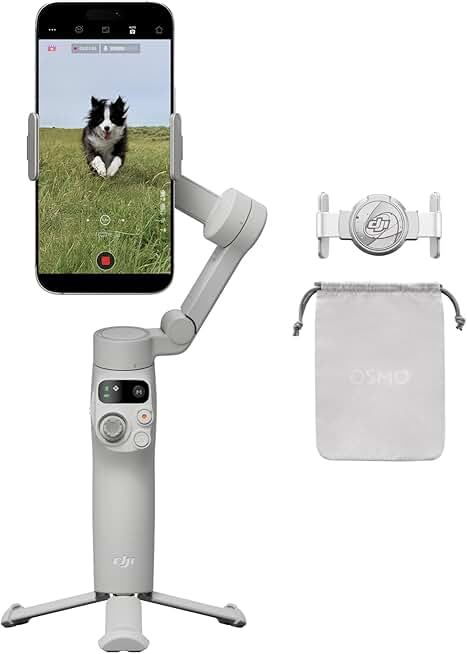
Mobile Filmmakers seeking advanced tracking and stabilization
- Native tracking capabilities
- Integrated lighting
- 3-Axis phone gimbal
The push-in and pull-out are foundational cinematic gimbal moves, often underestimated in their psychological impact. A slow, deliberate push-in focuses attention, builds tension, or reveals detail, mimicking how human attention narrows. Conversely, a pull-out creates distance, reveals context, or instills a sense of isolation or contemplation. The key here isn't speed, but consistent, smooth velocity – often slower than you might initially think.
In our labs, we've observed countless hours of footage. The most impactful push-ins maintain a constant, almost imperceptible speed, ending precisely where the narrative demands. This requires precise control over your gimbal's speed settings and, critically, your own footwork. A common mistake is a jerky start or stop, which immediately breaks the illusion. We advocate for practicing with a focus on consistent acceleration and deceleration, not just raw speed. For instance, achieving a buttery-smooth 10-second push-in that travels just 5 feet often delivers more emotional punch than a rapid 2-second dart.
Redefining the Orbit: More Than Just a Circle
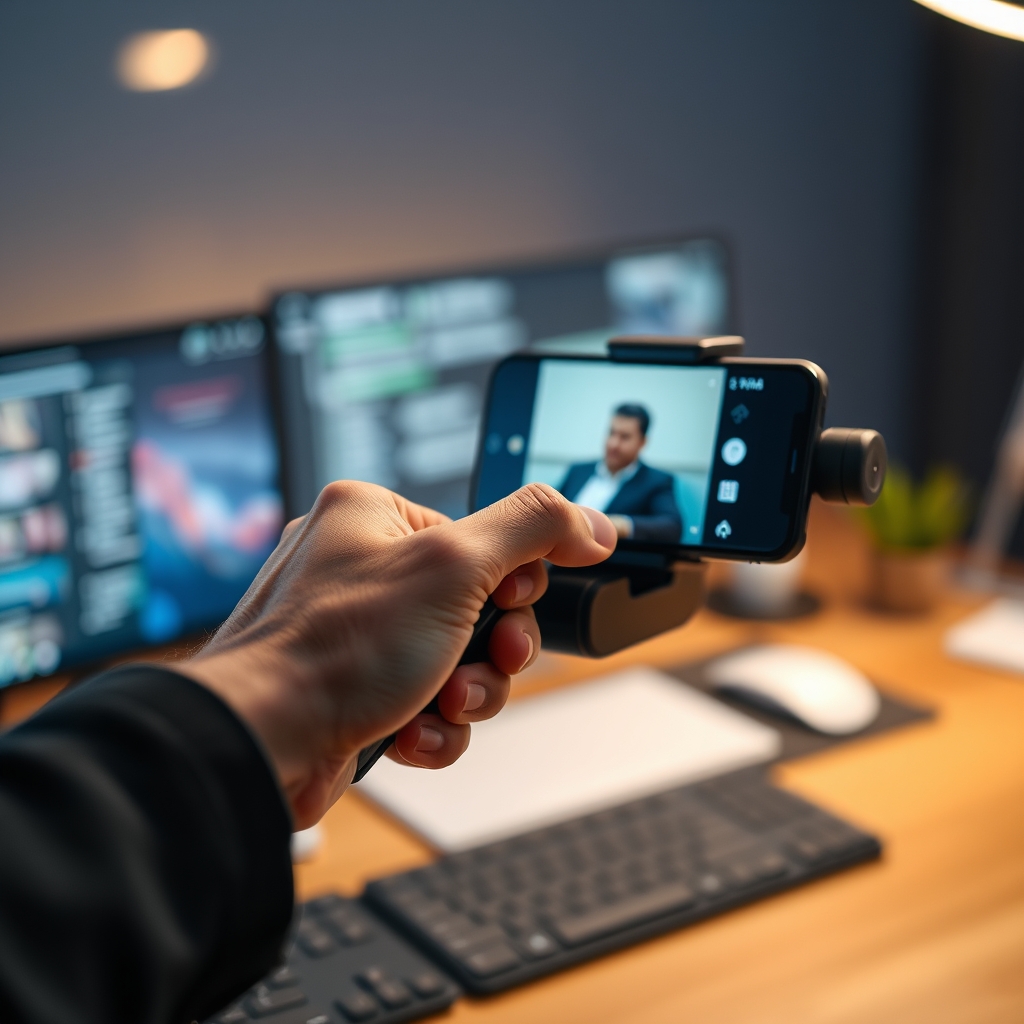
The orbit shot, where the camera circles a subject, is a classic. However, most tutorials treat it as a technical exercise: walk in a circle. The cinematic intent is often lost. A truly effective orbit doesn't just circle; it reveals or conceals, creating a sense of being enveloped by the scene or uncovering new perspectives. Think about orbiting to transition between characters, to show the scope of an environment, or to build a sense of surveillance or wonder.
Here is what most people miss: varying your orbit's radius and height mid-shot can add immense dynamism. A slow, wide orbit that gradually tightens and lowers can dramatically alter the viewer's perception of the subject, creating intimacy or tension. This is a more advanced application of cinematic gimbal moves that goes beyond the default 'around and around'. It demands a proactive understanding of your gimbal's follow modes and nuanced joystick control, or ideally, a pre-planned walk path.
The Dynamic Rise: Verticality with Purpose
While often associated with drones, a vertical rise (or fall) can be incredibly impactful when executed with a gimbal. This move reveals scale, establishes setting, or creates a moment of discovery or dread. Imagine a slow rise from a character's face, revealing a vast, desolate landscape behind them. Or a descent into a cluttered desk, focusing on a critical item. This is particularly effective with lighter camera setups and gimbals designed for lower angles or extension poles, such as the DJI Osmo Mobile 7P, which excels at enabling creative vertical transitions due to its compact form factor and responsive controls.
Our extensive testing with various mobile gimbals, including the DJI Osmo Mobile 7P, confirms its exceptional tracking and stabilization for these kinds of nuanced, deliberate movements. Its intuitive controls make it easier to maintain that critical slow, consistent vertical velocity required for a truly cinematic shot. You can also pair this with effective desk lighting mistakes to enhance the mood. Additionally, for any video project, ensuring your overall YouTube setup is optimized can greatly impact your final output.
Mastering Pre-Visualization & Footwork
The single most impactful improvement you can make to your gimbal work is pre-visualization. Before hitting record, mentally (or physically, with a dry run) execute the entire move. Understand your subject, your background, and your intended emotional arc. Where does the shot begin? Where does it end? What is the exact path? This rigor prevents aimless wandering and gives every movement purpose.
Your footwork is paramount. Many focus solely on the gimbal. The best operators move like dancers, using bent knees, heel-to-toe rolls, and subtle shifts to absorb shocks. Practice walking backward, sideways, and in curves until it feels natural. This physical mastery, combined with mental pre-visualization, will transform your raw footage into genuinely cinematic material.
The Biggest Mistake: Over-reliance on Auto-Features
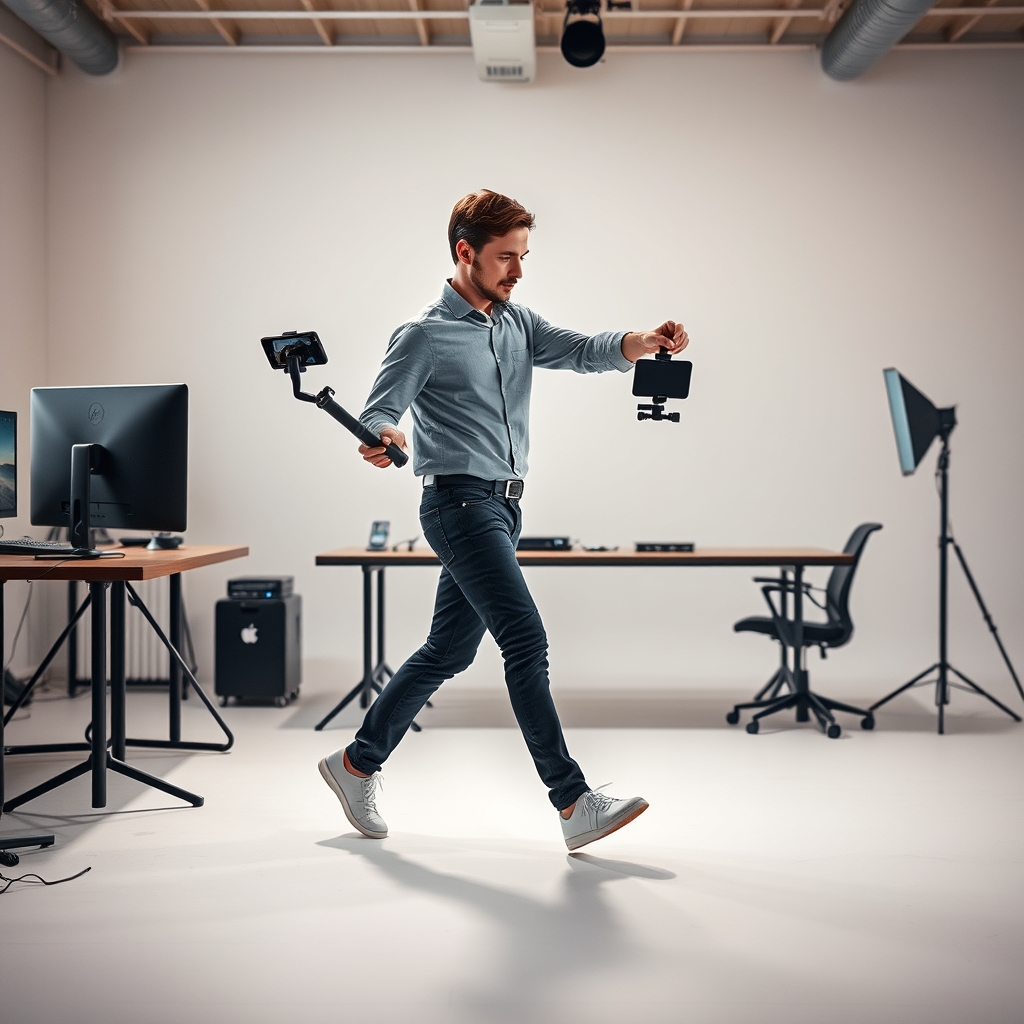
During one particularly challenging product review for a high-end gimbal, I made the classic mistake of trusting the intelligent tracking and automated moves entirely. I set up a complex tracking shot around a moving subject in a dynamic environment, relying on the gimbal's AI to handle everything. The result was technically smooth, but completely devoid of soul. The gimbal rigidly followed, ignoring subtle compositional shifts I would have made manually, resulting in a sterile, almost robotic feel. It was perfectly stabilized, but aggressively un-cinematic.
The lesson? While intelligent features are powerful, they are aids, not replacements for human intent. The moment you delegate complete creative control to an algorithm, you risk losing the very essence of what makes a shot cinematic – the human eye, the emotional connection, the subtle, artistic decisions made in real-time. Use tracking to assist your composition, not dictate it. This extends to understanding your editing workstation setup, as post-production can only fix so much if the source material lacks creative intent.
Final Verdict
Achieving truly cinematic gimbal moves isn't about owning the most expensive gear or executing the flashiest tricks. It's about intentionality, understanding the psychological impact of camera movement, and mastering the fundamentals of smooth, purposeful operation. Strip away the noise, focus on what the movement communicates, and you'll find your footage transcends mere stability, becoming a powerful storytelling medium.
Frequently Asked Questions
What is the biggest mistake people make when trying to achieve cinematic gimbal moves?
The biggest mistake is often over-reliance on the gimbal's automated features and prioritizing mechanical smoothness over creative intentionality. While gimbals provide excellent stabilization, true cinematic quality comes from deliberate, purposeful movements that enhance storytelling, not just from perfectly level, but sterile footage.
How does intentionality contribute to cinematic gimbal moves?
Intentionality means every camera movement serves a narrative or emotional purpose. Instead of just moving the camera smoothly, you pre-visualize exactly what the movement is meant to communicate, how it begins and ends, and its psychological impact on the viewer. This transforms mere stabilization into visual storytelling.
Are complex gimbal moves always better for a cinematic look?
No, often less is more. While complex moves have their place, subtle and purposeful movements like a slow, consistent push-in or pull-out can have a more profound cinematic impact than flashy, acrobatic maneuvers. The goal is to enhance the story, not to showcase the gimbal's capabilities.
Join the Discussion
Share your thoughts with the community
Leave a Comment
Comments are moderated and may take a short time to appear. Links are not permitted.